70% off sitewide until May 31st 2026, 23:59 UTC. Shop now →
MousePlugins

X-Or

FREE
Two saws. One voice. All low end.

Free two-oscillator mono bass synth. Dual saws, resonant low-pass with contour, loudness envelope, glide. VST3 + CLAP, Linux + Windows.

Formats CLAP VST3
Free v1.0.0
Sign in to leave feedback

Two saws. One voice. All low end.

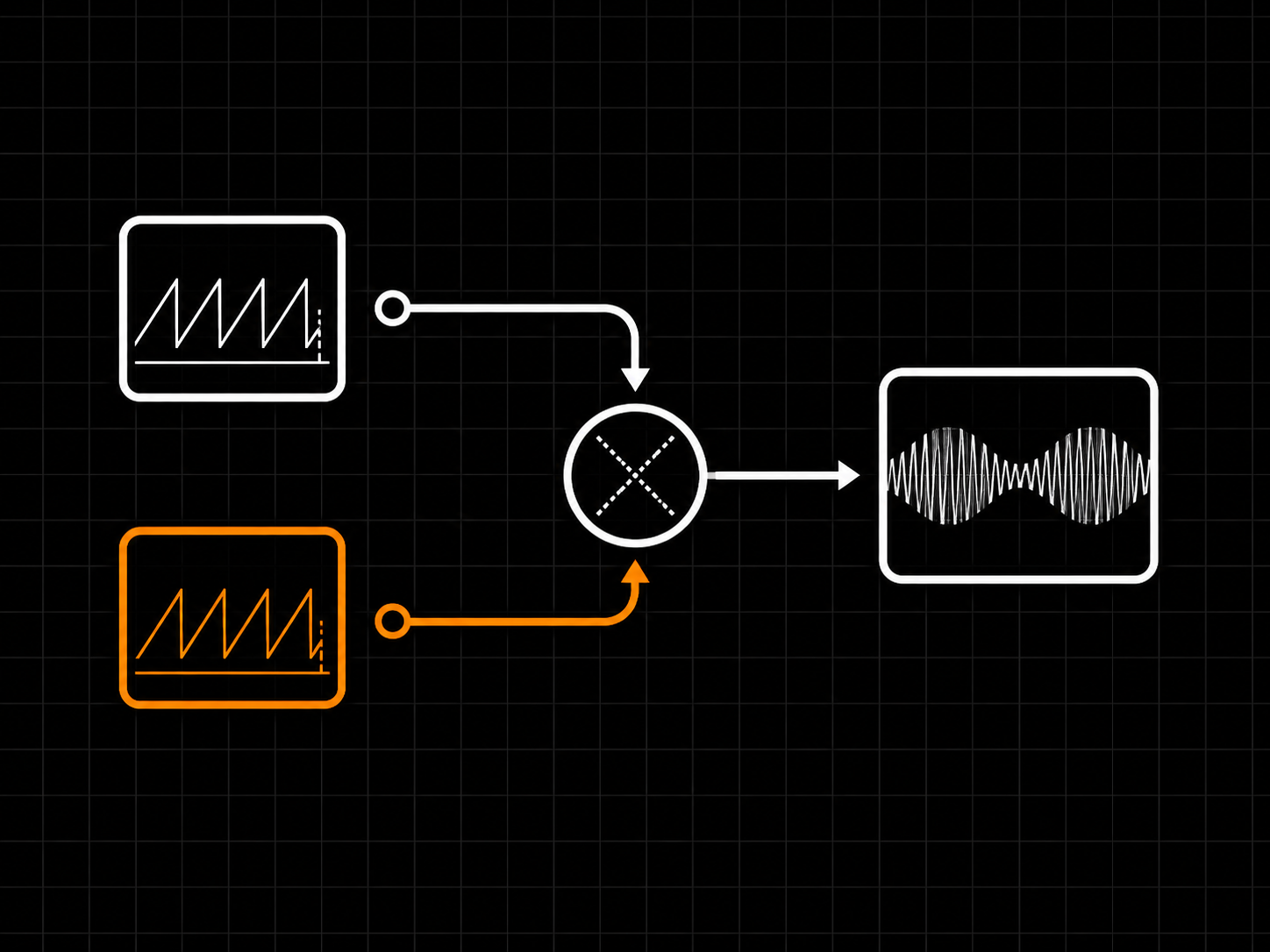
Two free-running sawtooth oscillators. OSC A always tracks the incoming MIDI note. OSC B is offset from A by OSC B COARSE semitones plus OSC B FINE cents. Their levels are blended by OSC MIX. For natural beating, set OSC MIX somewhere between 5 and 95 percent and dial OSC B FINE between plus or minus 5 and 20 cents. For fifth or octave intervals, use OSC B COARSE.

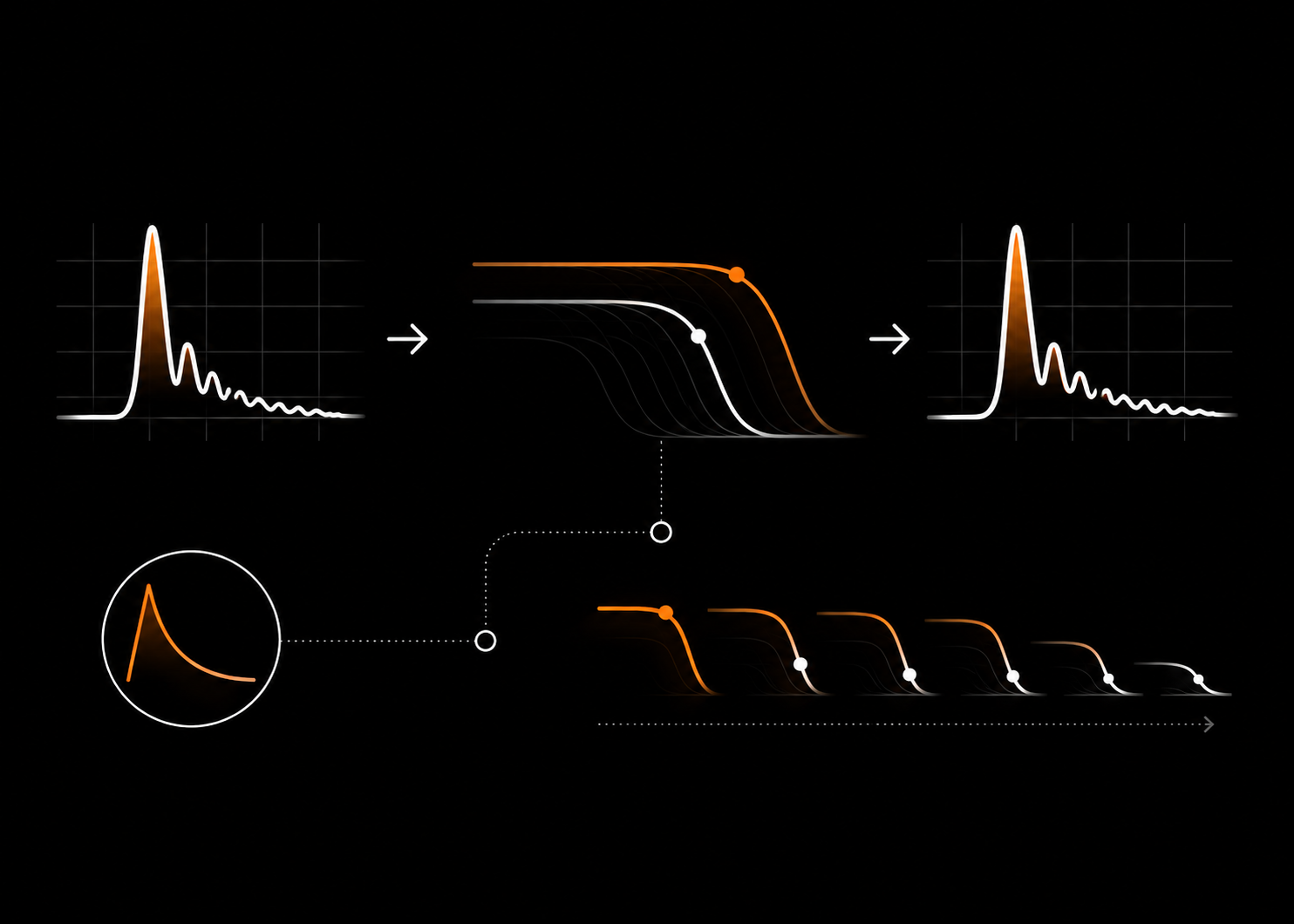
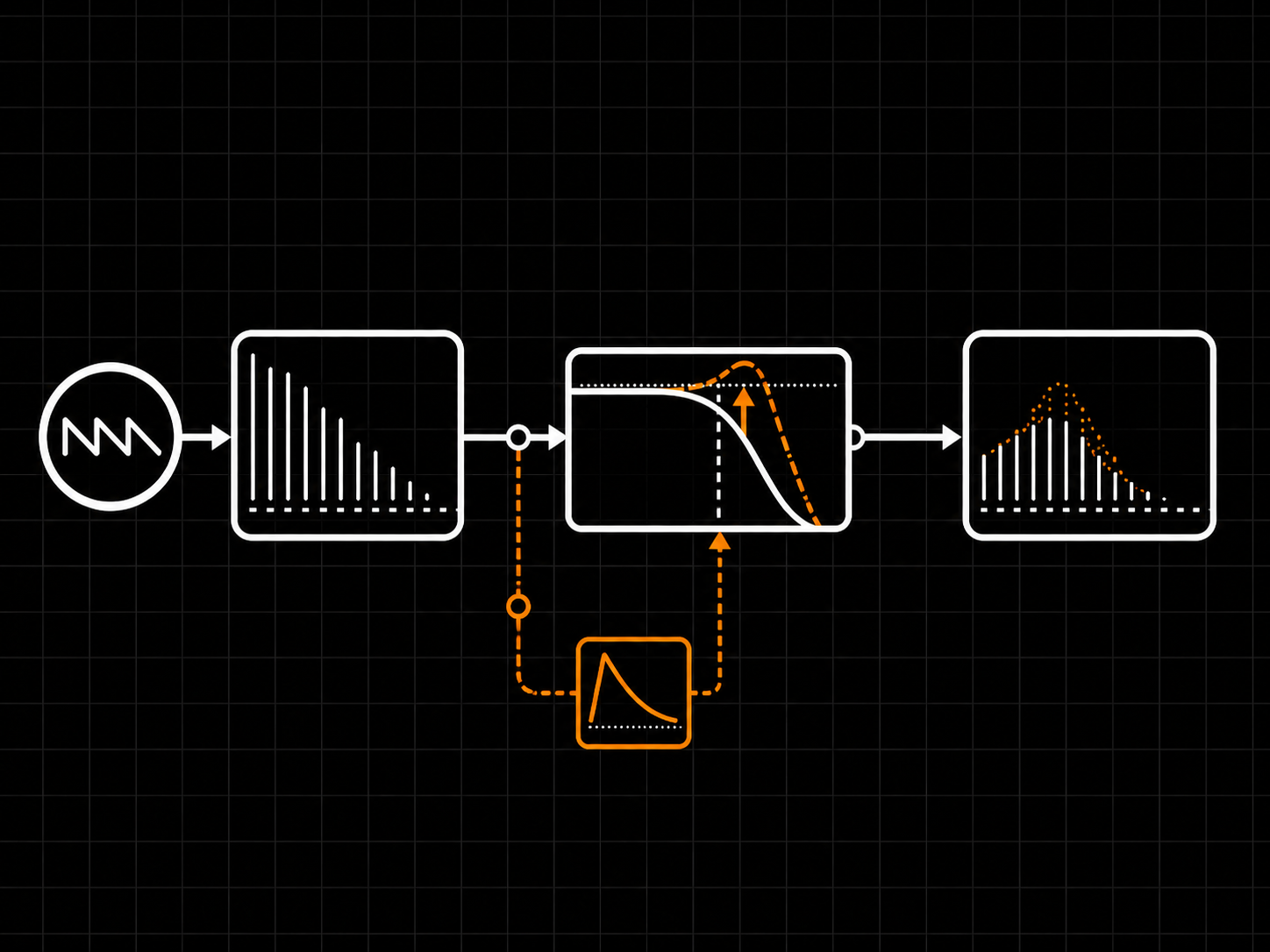
Resonant low-pass filter with contour. The filter has its own attack and decay envelope dedicated to modulating the cutoff. CONTOUR sets how much the envelope opens the filter on each note-on; the cutoff then decays back to the CUTOFF resting position. There is no separate filter sustain or release - that single-stage shape is the classic pedal-bass voicing.

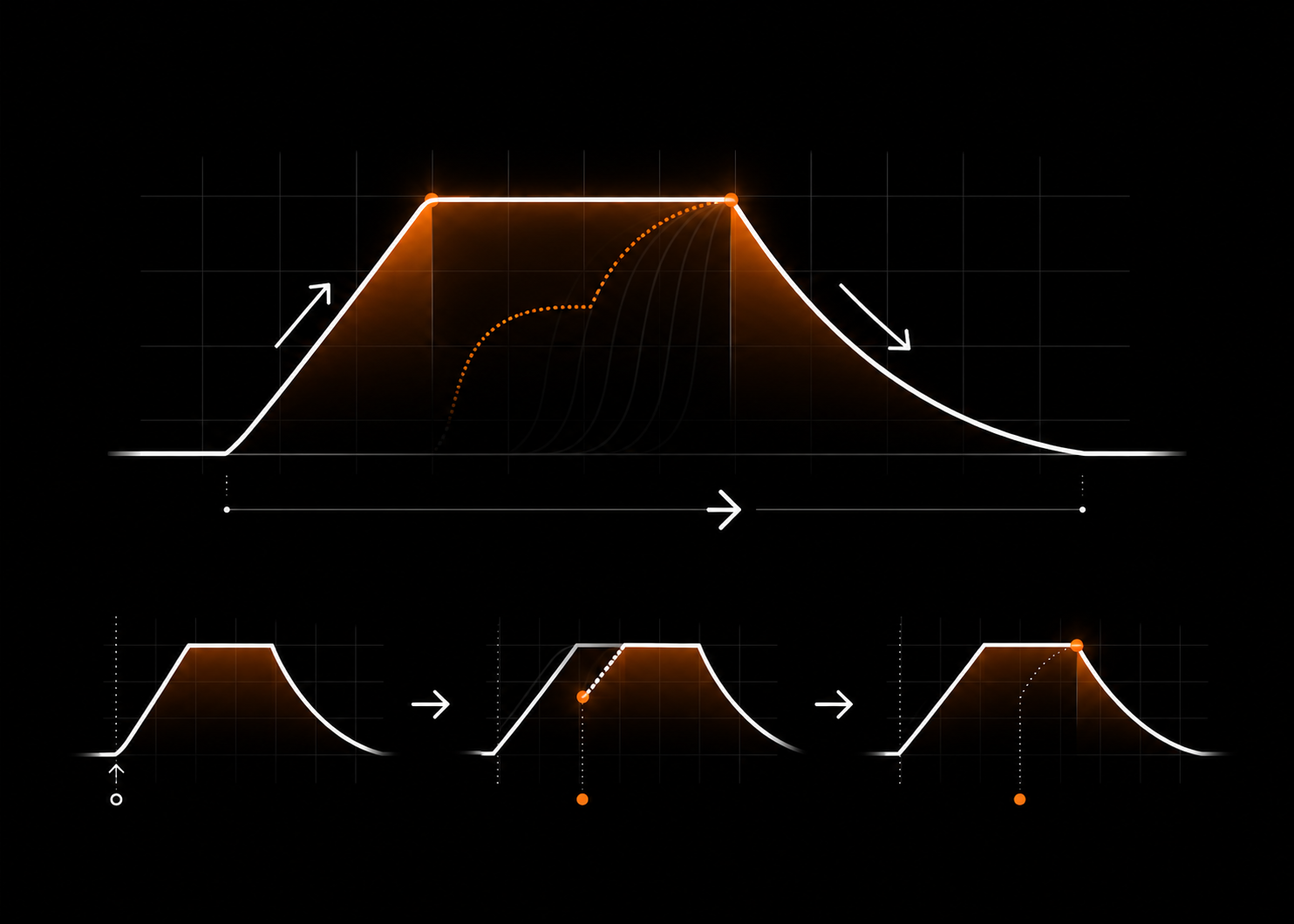
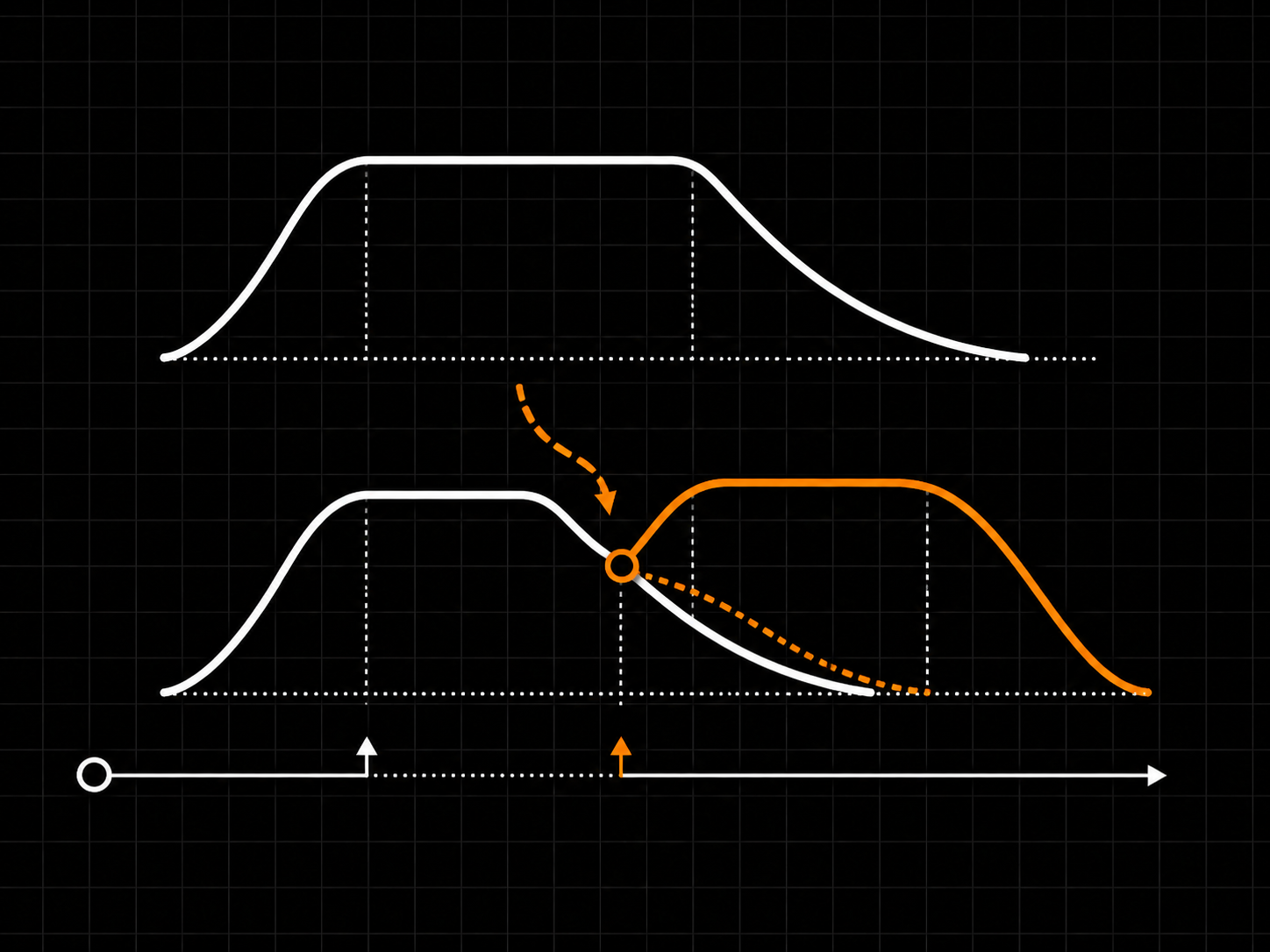
Loudness envelope with soft retrigger. Attack, sustain level, decay. Note-off uses the decay time to fall back to zero. When a new note arrives while the previous note's release tail is still audible, the envelope ramps from its current level into the new attack - it does not slam to zero first. The result is click-free legato phrasing without needing glide.

Pedal-bass transpose, on by default. Every incoming MIDI note is shifted down 12 semitones (one octave) before pitch tracking. A comfortable middle-of-keyboard MIDI part sounds in the low bass register. Transpose the MIDI track up an octave in the host if you want X-Or to follow the keyboard literally.

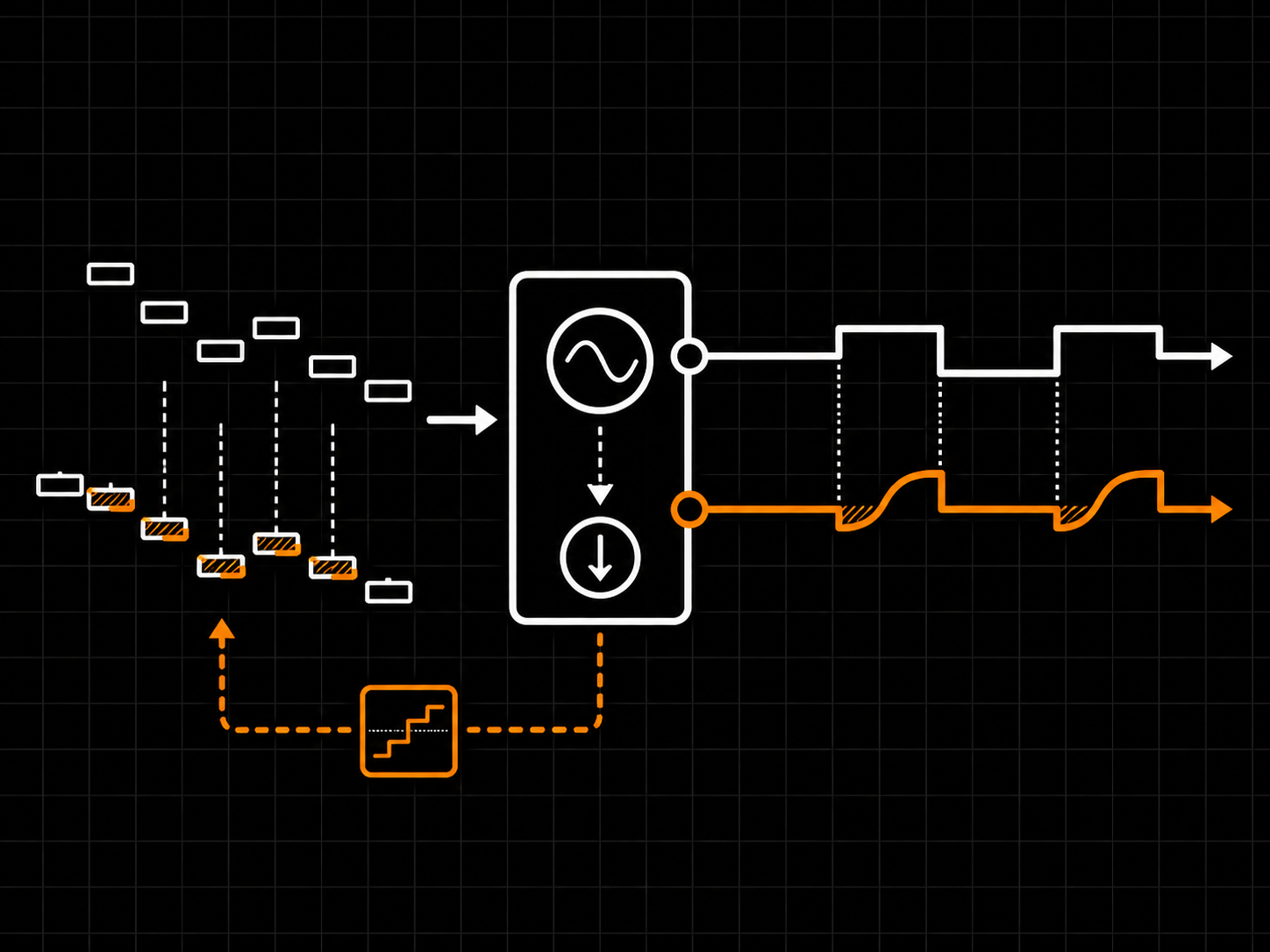
Glide, when you want it. GLIDE TIME from 0 to 2000 ms. Toggle on per patch. Notes only glide when the MIDI note-on for the next note arrives before the note-off of the current one - non-overlapping notes always retrigger normally. 40 to 80 ms is natural-feeling legato. 100 to 300 ms is obvious portamento. Longer values are for sound-design movement.

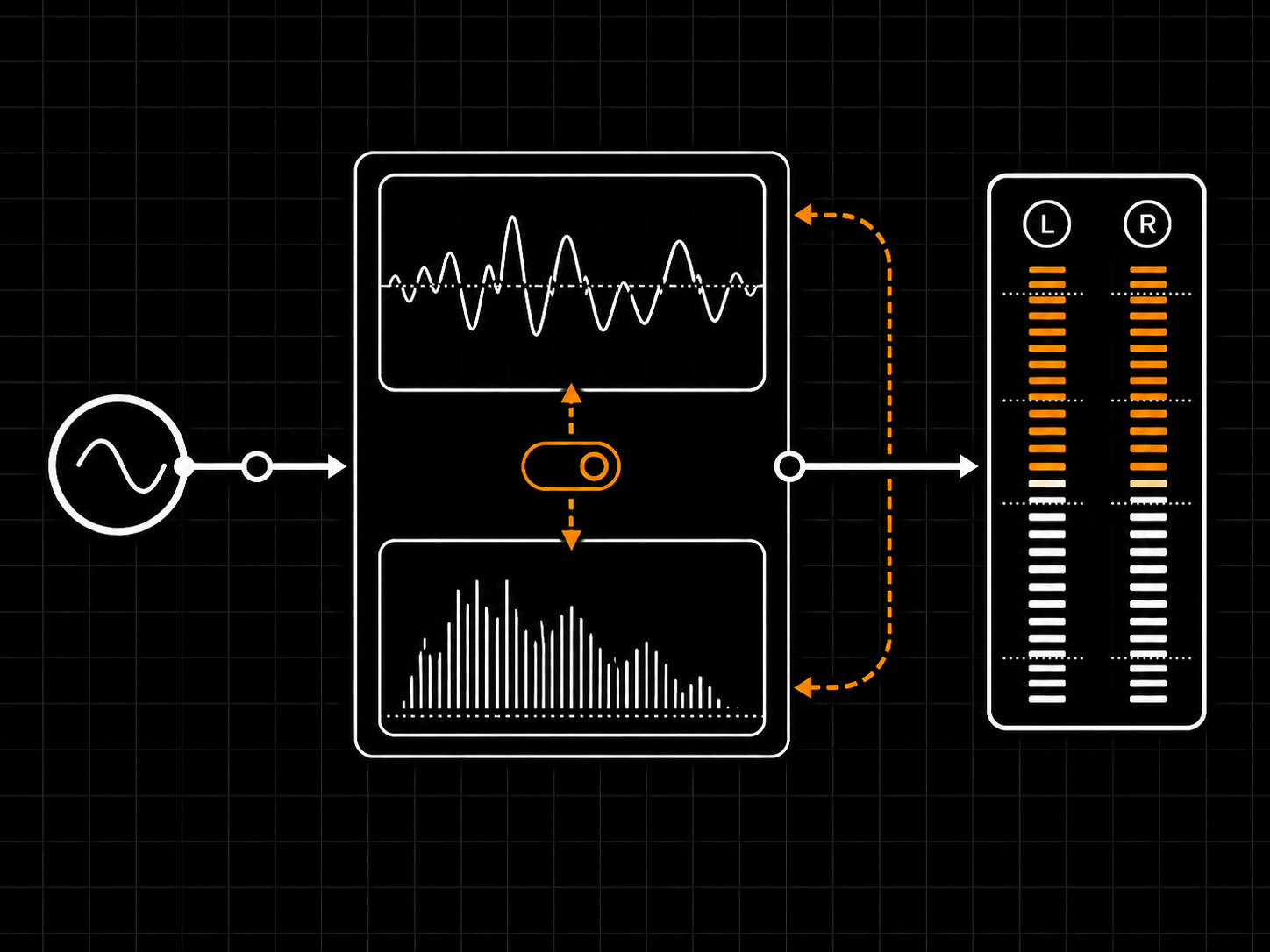
Live chart with two views. The chart at the top of the editor previews the post-processing output. WAVEFORM mode shows the time-domain trace. SPECTRUM mode shows log-frequency magnitude with a +4.3 dB/oct display tilt so harmonic content reads at similar visual heights from sub fundamental to upper harmonics. Bins at the silence floor stay flat - the tilt is only applied to bins with real signal. Output meters sit on the right of the chart.

Presets you control. Save patches as .xorpreset files. The default location is ~/Documents/MousePlugins/X-Or/Presets/ but you can save anywhere. User presets appear in the preset list after the factory entries. A/B compare keeps two full snapshots; copy/paste moves a patch through the clipboard.

Free, forever. X-Or is distributed free of charge. No license, no trial, no demo bursts, no internet check. Install it on as many machines as you want, use it in commercial work, share it with friends. The plugin processes audio locally and never connects to the internet.
  • Two free-running saws
  • Filter + contour
  • Loudness ADS
  • Glide
  • Live chart
  • Free forever
Two saws. One voice. All low end.

Free two-oscillator mono bass synth. Dual saws, resonant low-pass with contour, loudness envelope, glide. VST3 + CLAP, Linux + Windows.

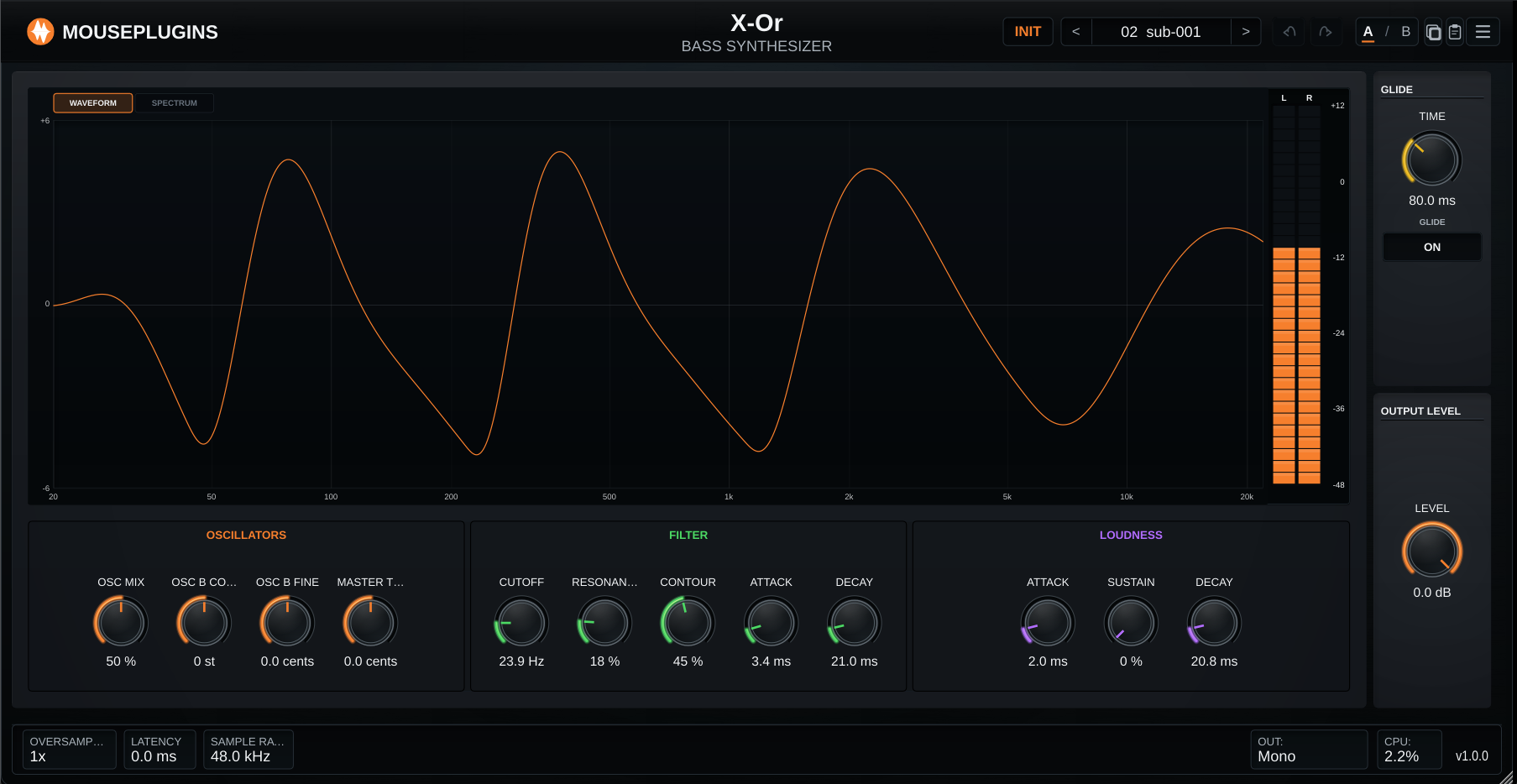
X-Or UI
Two free-running saws

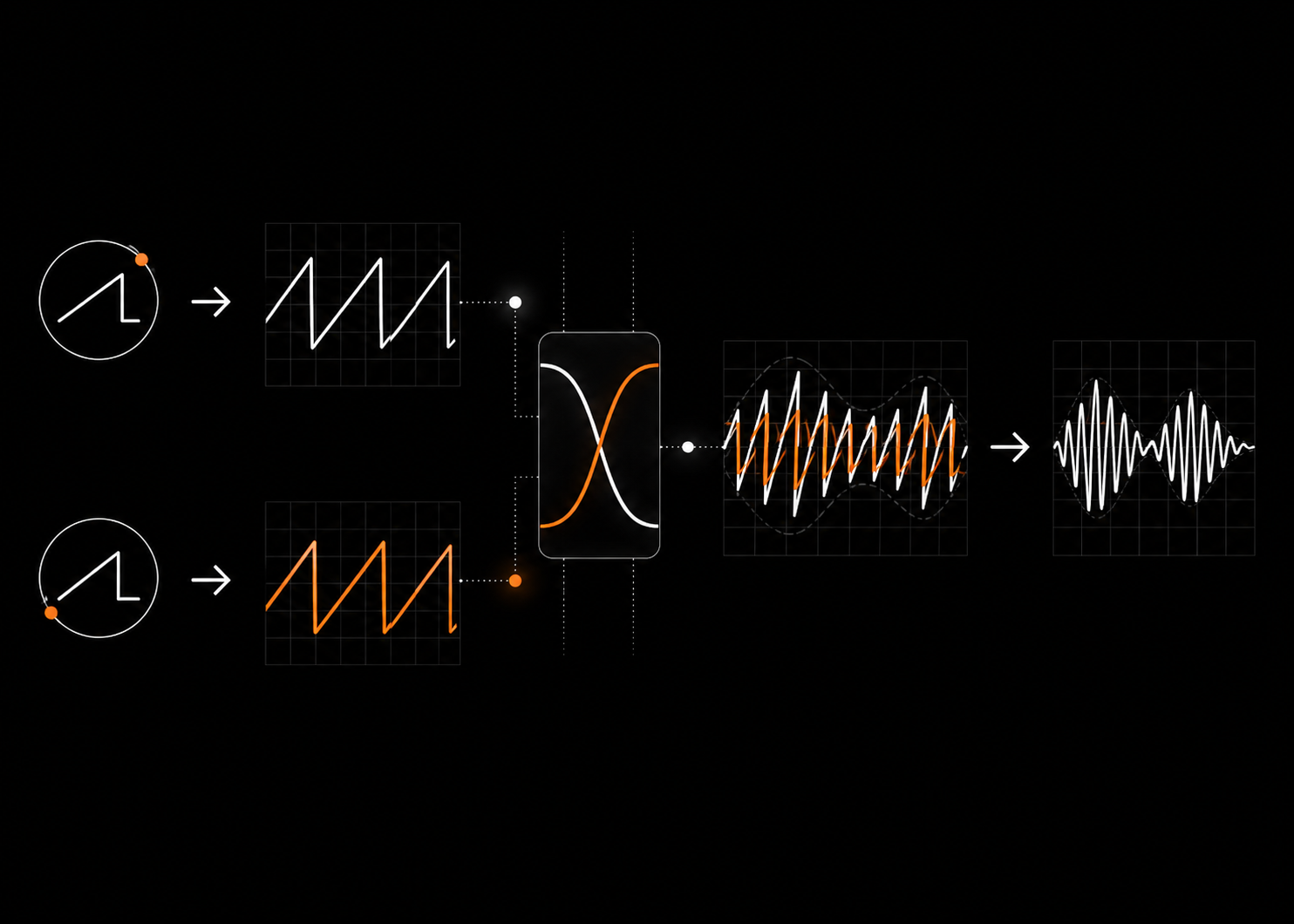
OSC MIX cross-fades A and B. OSC B COARSE / FINE detune B for fifths, octaves, or natural beating.

Filter + contour

Resonant low-pass with its own attack-decay contour envelope - the classic plucky bass filter snap.

Loudness ADS

Attack, sustain level, decay. Soft retrigger means new notes ramp from the current envelope level - no click on legato.

01
TWO FREE-RUNNING OSCILLATORS

OSC A and OSC B, blended by OSC MIX

Two sawtooth oscillators run continuously and are mixed by OSC MIX. OSC B's pitch is offset from OSC A by OSC B COARSE semitones plus OSC B FINE cents. The oscillators are not phase-locked, so small detune values produce slow, organic beating. MASTER TUNE shifts the whole voice in cents.

  • Cross-fade between A and B with one knob
  • OSC B COARSE ±12 semitones for fifth, octave, and interval stacks
  • OSC B FINE ±50 cents for two-oscillator beating
  • MASTER TUNE ±100 cents for global pitch nudge
OSC A and OSC B, blended by OSC MIX
02
RESONANT LOW-PASS + CONTOUR

Filter cutoff with its own envelope

A resonant low-pass filter sits between the oscillators and the loudness VCA. The filter has its own attack-decay envelope - the contour - dedicated to modulating CUTOFF. CONTOUR sets how much the envelope opens the filter on each note-on; the cutoff then decays back to the resting CUTOFF position. There is no separate filter sustain or release - by design, matching pedal-bass voicing.

  • Resonant low-pass, 20 Hz to 5 kHz cutoff
  • Dedicated attack-decay contour envelope
  • CONTOUR 0-100 % sets envelope-to-cutoff amount
  • Fast attack + short decay = classic plucky bass snap
Filter cutoff with its own envelope
03
LOUDNESS ENVELOPE

ADS with soft retrigger

Loudness is shaped by an attack-decay-sustain envelope. ATTACK ramps from zero to peak on note-on, DECAY falls to the SUSTAIN level, SUSTAIN holds while the note is held, and note-off uses the same decay time to fall back to zero. When a new note arrives while the previous note's release tail is still audible, the envelope ramps from its current level into the new attack instead of slamming to zero - click-free legato phrasing without enabling glide.

  • ATTACK 0-1000 ms
  • SUSTAIN 0-100 % level
  • DECAY 10-5000 ms (also note-off time)
  • Soft retrigger keeps note-to-note transitions click-free
ADS with soft retrigger
04
PEDAL-BASS VOICING + GLIDE

Monophonic voice, one octave below MIDI, portamento on demand

X-Or is monophonic with last-note priority - new notes interrupt the current voice, releasing the latest note falls back to the previously held note. Every incoming MIDI note is transposed down 12 semitones before pitch tracking, so a comfortable middle-of-keyboard MIDI part sounds in the low bass register. GLIDE turns portamento on for overlapping notes; non-overlapping notes always retrigger normally.

  • Monophonic with last-note priority stack
  • -12 semitone transpose applied by default (pedal-bass voicing)
  • GLIDE TIME 0-2000 ms, on/off per patch
  • Glide only between overlapping notes; clean retrigger otherwise
Monophonic voice, one octave below MIDI, portamento on demand
05
LIVE CHART + OUTPUT METERS

Waveform, spectrum, output level

A built-in chart shows the post-processing output in real time. WAVEFORM mode shows the time-domain trace with a ±6 dB axis label. SPECTRUM mode shows log-frequency magnitude (20 Hz to 20 kHz) with a +4.3 dB/oct display tilt so sub fundamentals and upper harmonics read at similar visual heights. Bins at the silence floor stay flat - the tilt is only applied to bins with real signal. Output meters sit on the right of the chart.

  • WAVEFORM / SPECTRUM toggle in one click
  • +4.3 dB/oct spectrum display tilt with flat-if-silent
  • Output level meters on the chart
  • Free-resizable editor at any host scale
Waveform, spectrum, output level
Overview
Plugin type Two-oscillator monophonic bass synthesizer
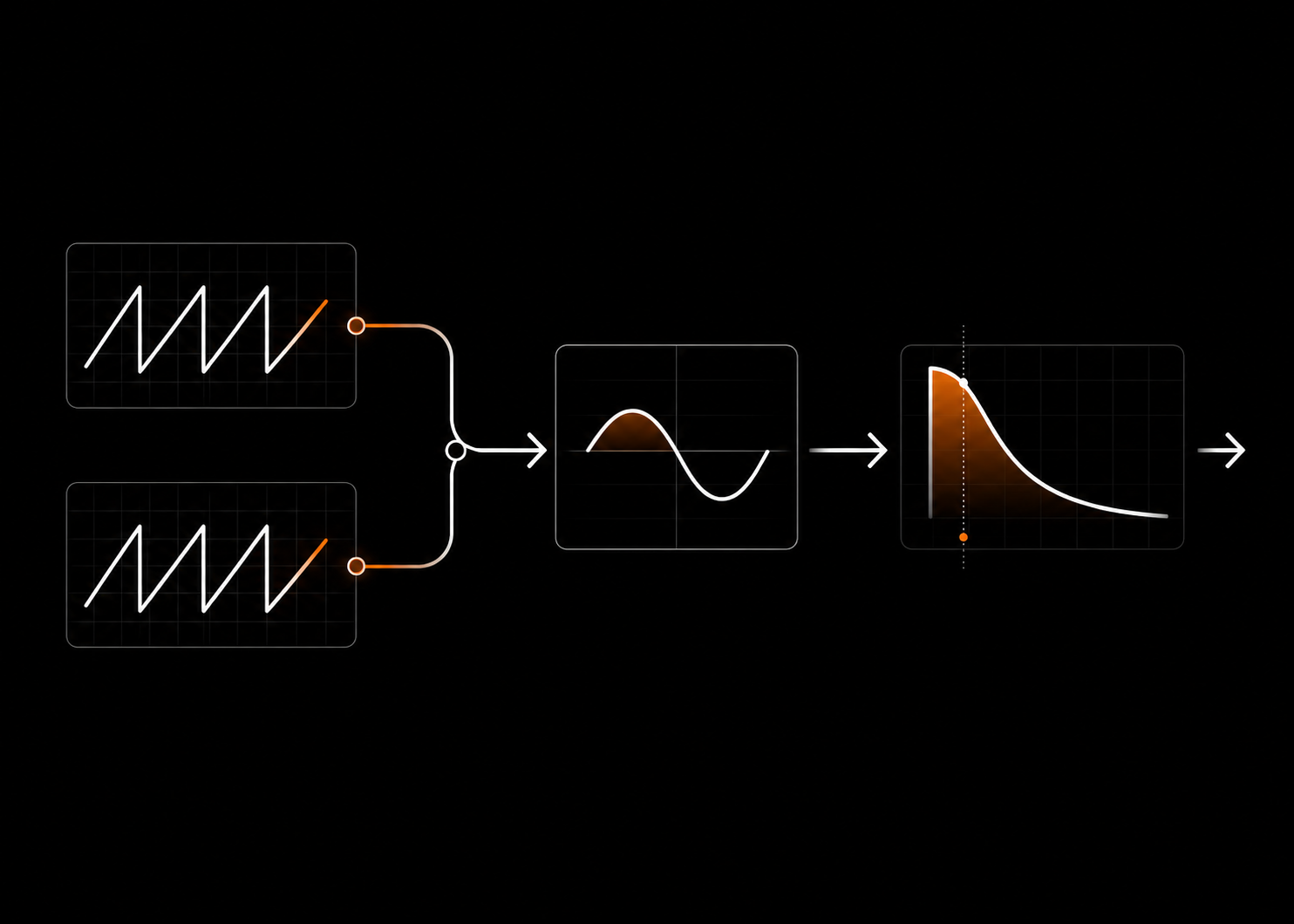
Voice architecture Two saw oscillators -> resonant low-pass with contour -> loudness ADS -> output
Polyphony Monophonic, last-note priority
Pitch transpose -12 semitones applied to incoming MIDI by default (pedal-bass voicing)
Reported latency 0 samples
Processing
Signal path Oscillator A + Oscillator B -> mix -> resonant low-pass with contour envelope -> loudness VCA -> output gain
Oscillators Two free-running sawtooth oscillators
Filter Resonant low-pass with dedicated attack-decay contour envelope
Loudness envelope Attack, sustain level, decay; note-off uses the same decay time
Retrigger Soft retrigger - new notes ramp from the current envelope level, no click on legato
Output bus Mono synth voice sent to the plugin output bus; stereo hosts receive the same mono signal on left and right
Internal processing Runs at host sample rate, no internal oversampling
Controls
OSC MIX 0-100 % cross-fade between OSC A and OSC B
OSC B COARSE -12 to +12 semitones, quantized to integers
OSC B FINE -50 to +50 cents
MASTER TUNE -100 to +100 cents, applies to both oscillators
CUTOFF 20 Hz to 5 kHz
RESONANCE 0-100 %
CONTOUR 0-100 % envelope-to-cutoff amount
FILTER ATTACK 0-2000 ms
FILTER DECAY 10-5000 ms (no filter sustain - envelope returns to CUTOFF)
LOUDNESS ATTACK 0-1000 ms
LOUDNESS SUSTAIN 0-100 % level
LOUDNESS DECAY 10-5000 ms (also note-off time)
GLIDE TIME / ON-OFF 0-2000 ms portamento between overlapping notes; toggle on or off per patch
OUTPUT LEVEL -24 to 0 dB final gain
Editing Init, preset save/load, A/B compare, copy/paste, undo/redo
Metering
Live chart WAVEFORM (time-domain) and SPECTRUM (log-frequency) modes
Waveform axis Signed sample value with ±6 dB axis labelling
Spectrum range 20 Hz to 20 kHz, log frequency
Spectrum tilt +4.3 dB/oct display tilt with flat-if-silent behaviour
Output meters Output level meters on the right of the chart
Formats
VST3 Windows and Linux
CLAP Windows and Linux
macOS Not at the initial release
Architectures 64-bit x86
System Compatibility
Operating system Windows 10/11 64-bit, Linux glibc 2.35+ (Ubuntu 22.04+, Debian 12+, Mint 21+, Fedora 36+, Arch)
Host requirements A 64-bit host that supports VST3 or CLAP
Sample rates 44.1, 48, 88.2, 96, and 192 kHz validated
CPU Any 64-bit x86
RAM minimum 2 GB
RAM recommended 4 GB or more
Disk space 30 MB
Internet Never required - X-Or does not connect to the internet
Licensing
Price Free of charge
Activation None - no license key, no account, no internet check
Machine count Unlimited installs and machines, personal or commercial use
Telemetry None - the plugin does not phone home, ever
Updates All future 1.x updates included
Installation
Windows VST3 C:\Program Files\Common Files\VST3\X-Or.vst3
Windows CLAP C:\Program Files\Common Files\CLAP\X-Or.clap
Linux VST3 ~/.vst3/X-Or.vst3
Linux CLAP ~/.clap/X-Or.clap
Linux DEB sudo dpkg -i x-or-1.0.0-linux-x86_64.deb
X-Or is a free two-oscillator monophonic bass synthesizer. Two free-running sawtooth oscillators feed a resonant low-pass filter with its own contour envelope, then a loudness envelope, then an output gain. One voice at a time. Built for bass parts, sub layers, and pedal-bass voicings.
Yes. No license key, no activation, no trial, no demo interruptions, no internet check. Install it, use it commercially, share it. The plugin processes audio entirely on your machine and never connects to the internet.
Producers and players who need focused low-end - sub layers, plucky bass lines, fifth-up stabs, sustained pedal tones. It is not a general-purpose synth workstation; the architecture is narrow on purpose. If your part lives below middle C, X-Or is in the right zip code.
Because bass parts are usually monophonic. Last-note priority means new notes interrupt the current voice; releasing the latest note falls back to the previously held note if one is still held. Soft retrigger keeps note-to-note transitions click-free, so legato phrasing works without enabling glide.
Incoming MIDI notes are shifted down 12 semitones (one octave) before pitch tracking, so a comfortable middle-of-keyboard MIDI part sounds in the low bass register. If you would rather have X-Or follow the keyboard literally, transpose your MIDI track up one octave in the host.
OSC MIX is a 0-100% cross-fade between OSC A and OSC B. At 0% you hear only OSC A; at 100% only OSC B; 50% is an equal blend. For detune beating to be audible you need OSC MIX somewhere between 5% and 95% - at the extremes one oscillator is muted and any pitch offset of the other becomes inaudible.
OSC B COARSE offsets OSC B's pitch from OSC A in whole semitones, quantized to integers between -12 and +12. 0 = unison, +7 = perfect fifth above A, -12 = octave below A, +12 = octave above A. Use it for fifth-up stabs, octave stacks, and sub layers under a brighter A.
OSC B FINE is a fine pitch offset of OSC B relative to OSC A in cents, between -50 and +50. Use it for natural beating between the two free-running oscillators. 0 cents is locked unison; ±5 cents is subtle movement; ±15 cents is obvious detune; beyond ±25 cents it starts sounding out of tune rather than wide, especially on sub material.
MASTER TUNE applies a global pitch offset to both oscillators in cents, between -100 and +100. ±100 cents equals ±1 semitone. Use it to nudge X-Or into tune with material that is not at A=440 Hz, or to detune the whole voice for design. The OSC B offset (COARSE + FINE) stays the same regardless of MASTER TUNE.
Resonant low-pass with a dedicated attack-decay contour envelope that modulates the cutoff. CONTOUR sets how much the envelope opens the filter on each note-on; the cutoff then decays back to the CUTOFF resting position. There is no separate filter sustain or release - by design, matching pedal-bass voicing.
20 Hz to 5 kHz. The init value is 1000 Hz. Bass voicing typically sits between 200 and 500 Hz; plucky lead voicing 500-1500 Hz; open synthy bite 2-5 kHz. With CONTOUR > 0, the live cutoff opens above this resting value on each note-on.
0 to 100%. 0-20% is a neutral low-pass; 30-60% gives audible character without screaming; 70-100% is acid territory. High resonance with a moving CONTOUR is the classic squelchy bass sound.
CONTOUR controls how much the filter envelope modulates the cutoff. At 0% the filter sits at CUTOFF all the time. At 100% the cutoff opens to its maximum on each note-on and decays back to the CUTOFF resting position. Common values: 40-80% for plucky moving filter shapes; 0% for static filter colors.
Three stages: ATTACK (zero to peak on note-on, 0-1000 ms), DECAY (peak to the SUSTAIN level), SUSTAIN (held while the note is held, 0-100%), and note-off uses the same DECAY time to fall back to zero. There is no separate release stage - the decay carries note-off.
When a new note arrives while the previous note's release tail is still audible, the envelope ramps from its current level into the new attack instead of slamming to zero first. The result is click-free legato phrasing without needing glide on, even when LOUDNESS DECAY is long.
GLIDE adds portamento between overlapping or legato MIDI notes when its toggle is on. GLIDE TIME goes from 0 to 2000 ms. 40-80 ms is natural-feeling legato, 100-300 ms is obvious portamento, longer is sound-design movement. Notes only glide when the next note-on arrives before the current note-off; non-overlapping notes always retrigger cleanly.
-24 to 0 dB final gain stage. The default is -3 dB. Use it to set the overall output level of the patch; the output meters on the right of the chart tell you when to back off.
A built-in chart at the top of the editor previews the post-processing output. WAVEFORM mode shows the time-domain trace; SPECTRUM mode shows log-frequency magnitude from 20 Hz to 20 kHz. Click the pills at the top-left of the chart to switch modes.
A display-only tilt applied to the spectrum trace so sub fundamentals and upper harmonics read at similar visual heights instead of sub being a steep hill at the left. Bins at the silence floor stay flat at the floor; the tilt is only applied to bins with real signal. The audio is unaffected.
Send a sustained MIDI note in the C1-C3 range. Lower CUTOFF to taste (300-500 Hz is a classic bass zone). Raise CONTOUR to 50-70% and shorten FILTER DECAY to 200-400 ms - the filter snaps shut after each note attack, giving you a plucky bass voice.
Set OSC MIX to 0% (solo OSC A), CUTOFF around 200 Hz, RESONANCE 0%, CONTOUR 0%. Use as the layered sub under a brighter bass sample. Keep LOUDNESS DECAY moderate so note tails do not pile up.
OSC MIX 50%, OSC B COARSE +7 semitones, CUTOFF around 1.2 kHz, RESONANCE 50%, CONTOUR 65%, LOUDNESS DECAY 300 ms. Short tail + filter snap + fifth interval = punchy stab voice for short bass riffs.
OSC MIX between 30% and 70%, OSC B FINE between ±5 and ±20 cents. Two free-running oscillators a few cents apart produce slow beating - the wide-but-not-out-of-tune character that two-oscillator bass patches are known for. Beyond ±25 cents at low pitches, it starts to sound out of tune.
Click SAVE in the preset menu. A file dialog opens in the user presets directory; type a name and confirm. Files are written as .xorpreset XML. By default they live in ~/Documents/MousePlugins/X-Or/Presets/ (Linux maps that to your XDG documents folder or your home directory). User presets appear in the preset list after the factory entries. Use IMPORT to load a .xorpreset from anywhere on disk.
The A/B toggle in the header maintains two independent patch slots. Both start as the same snapshot. Tweak A, switch to B, make a different change, then flip between them to compare. Each slot keeps its full parameter state including any preset name you loaded into it.
Windows: VST3 goes to C:\Program Files\Common Files\VST3\; CLAP goes to C:\Program Files\Common Files\CLAP\. Linux: VST3 goes to ~/.vst3/X-Or.vst3; CLAP goes to ~/.clap/X-Or.clap. A DEB package is also provided for Debian/Ubuntu derivatives: sudo dpkg -i x-or-1.0.0-linux-x86_64.deb.
Force a plugin rescan in your DAW's preferences (Bitwig, Ardour, Reaper, FL Studio, Cubase, Live, Studio One all expose this in their plugin manager UI). On Linux, confirm the file is in ~/.vst3/ or ~/.clap/. Restart the DAW so it re-mmaps the binary.
Windows: use the standard uninstaller from the installer or the Add/Remove Programs panel. Linux: delete the .vst3 bundle from ~/.vst3/ and the .clap file from ~/.clap/, or sudo dpkg -r x-or if you installed via DEB.
You do not. X-Or is free and has no activation step. There is no license key, no account, no internet check, no trial timer. Install the plugin and the controls are immediately active.
Neither. The plugin works fully offline with no account, no iLok, no dongle, and no license file.
Yes, unlimited machines, personal or commercial. There is no machine count or license enforcement.
No. The plugin processes audio entirely on your machine, does not phone home, and does not collect any usage data.
VST3 and CLAP, for Windows and Linux. Both formats ship in the same package.
Not at the v1.0.0 initial release. macOS is not on the immediate roadmap.
No. AU (the macOS plugin format) is not supported because macOS is not supported. AAX (Pro Tools) is not on the roadmap.
44.1, 48, 88.2, 96, and 192 kHz are validated. X-Or runs at host sample rate with no internal oversampling.
0 samples. The synth runs entirely in the time domain at host rate and reports zero latency to the host.
Any 64-bit x86 CPU. 2 GB of RAM minimum, 4 GB or more recommended. Disk space: about 30 MB. As a single-voice synth, CPU usage is very low.
Check the DAW track's monitoring and routing. X-Or only outputs audio while a MIDI note is held (or its release tail is still audible). If you're testing in the standalone wrapper, also confirm the audio interface is selected.
That is by design - X-Or applies a -12 semitone transpose by default for pedal-bass voicing. Transpose the MIDI track up an octave in the host if you want the note to follow the keyboard literally.
LOUDNESS ATTACK is too short for the material. Lift it to 3-5 ms. Sub-bass especially benefits from a couple of milliseconds of ramp at the start.
LOUDNESS DECAY is long enough that release tails overlap into the next note. Shorten LOUDNESS DECAY, or set SUSTAIN below 100% so notes fade during held sections.
OSC MIX is at 0% or 100% - only one oscillator is in the mix, so its detune has nothing to beat against. Set OSC MIX somewhere between 5% and 95%.
OSC B COARSE is non-zero, so MASTER TUNE shifts both A and B equally but their interval stays the same - you might be hearing the OSC B note dominate. Set OSC MIX to 0% to solo A and verify MASTER TUNE shifts the pitch by exactly ±1 semitone at its extremes.
The DAW's editor window state for an old version of the plugin is cached. Delete and re-instantiate the plugin in the project. Some DAWs cache plugin window state per-instance and will keep showing an empty window otherwise.
Email support@mouseplugins.com with your OS, your DAW, the plugin format (VST3 or CLAP), the X-Or version (menu -> About), and a short description of what's happening. Screenshots help.
What's Included
X-Or box
  • X-Or Plugin
  • Quick Start
  • Full User Manual
  • Factory presets
Supported Formats
CLAPVST3
System Requirements
Windows: 10 or later
Linux x64: glibc 2.35+
  • Ubuntu 22.04+
  • Debian 12+
  • Linux Mint 21+
  • Fedora 36+
  • Arch / Manjaro / EndeavourOS / Garuda
  • openSUSE Tumbleweed
  • Pop!_OS 22.04+
CPU: Any 64-bit x86
Host: A 64-bit host that supports VST3 or CLAP
Free updates Included for X-Or 1.x
No activation No license file, no phone-home
Human support Real replies when something breaks
Cart
Cart empty
Browse Plugins