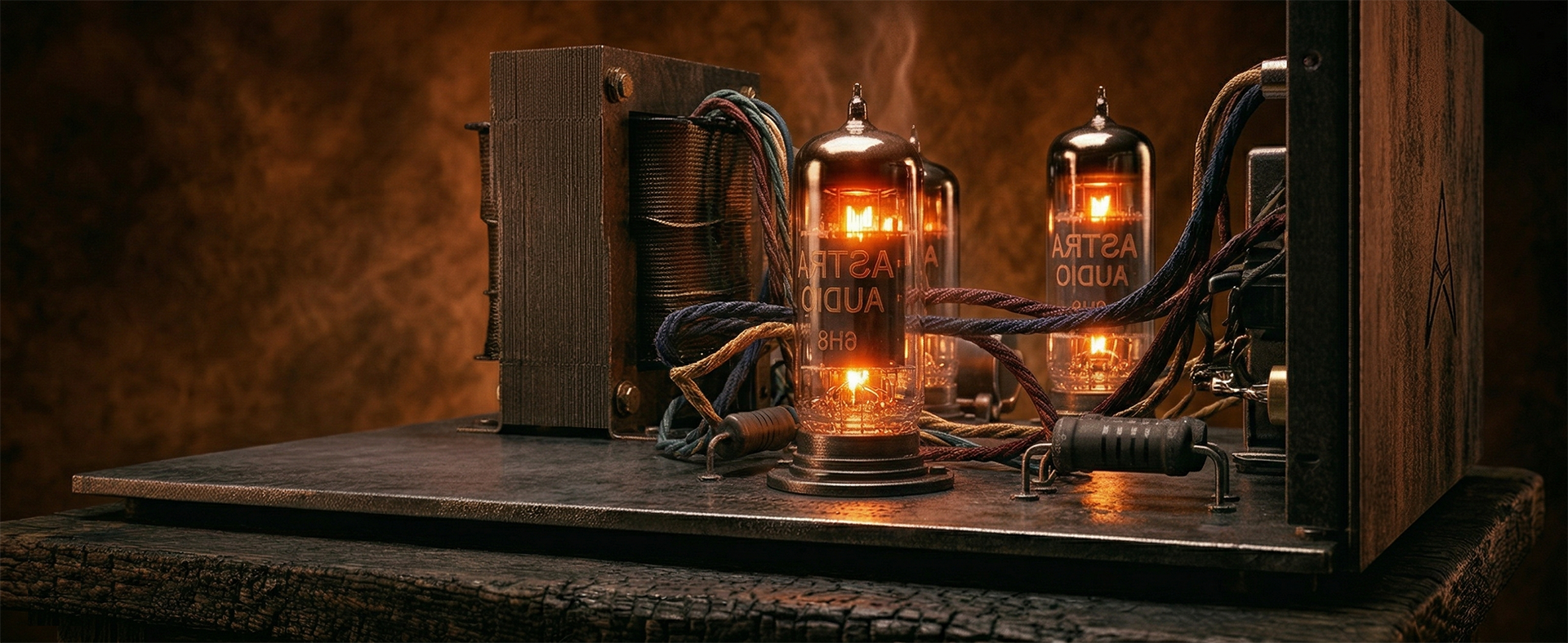
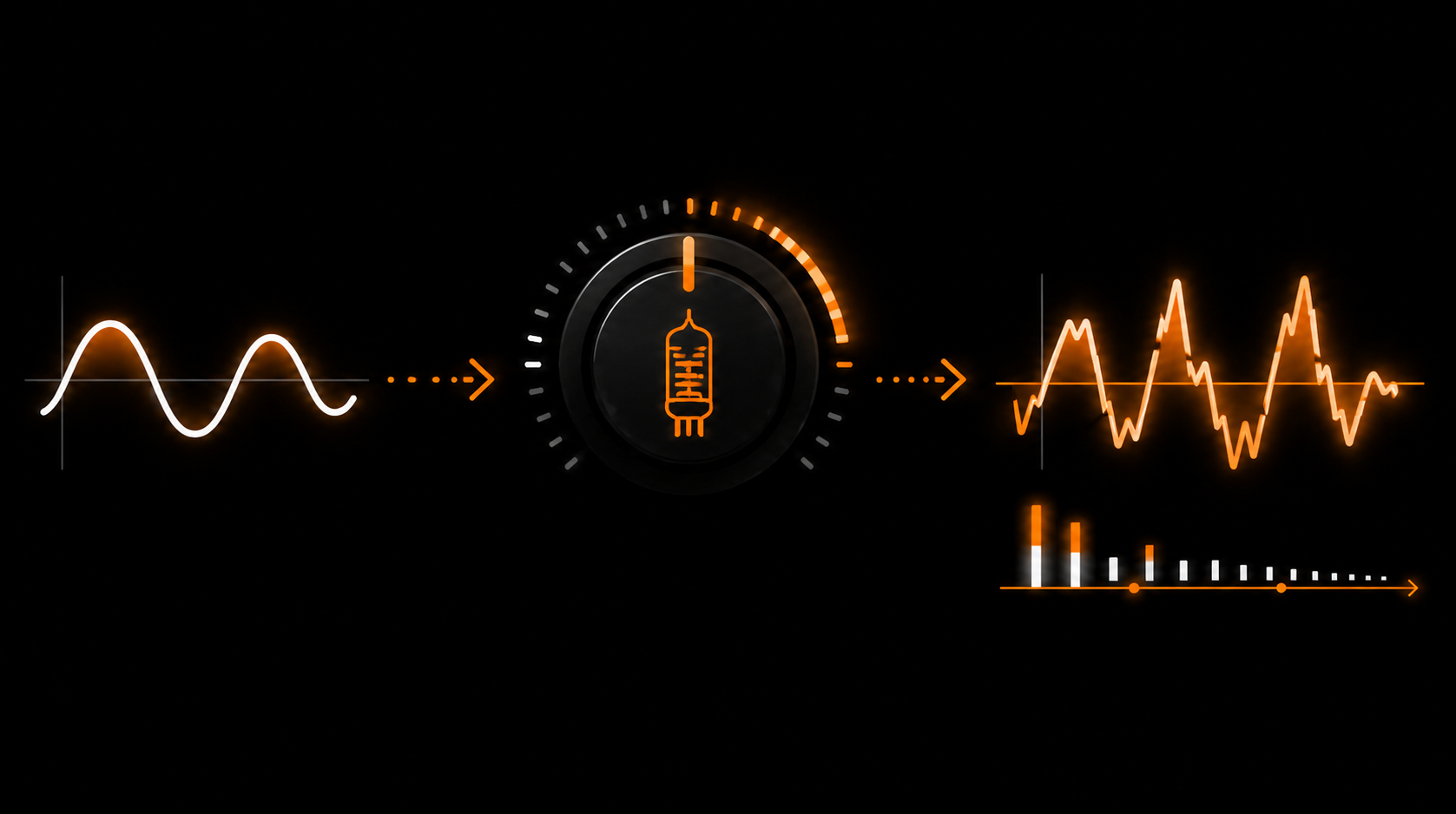
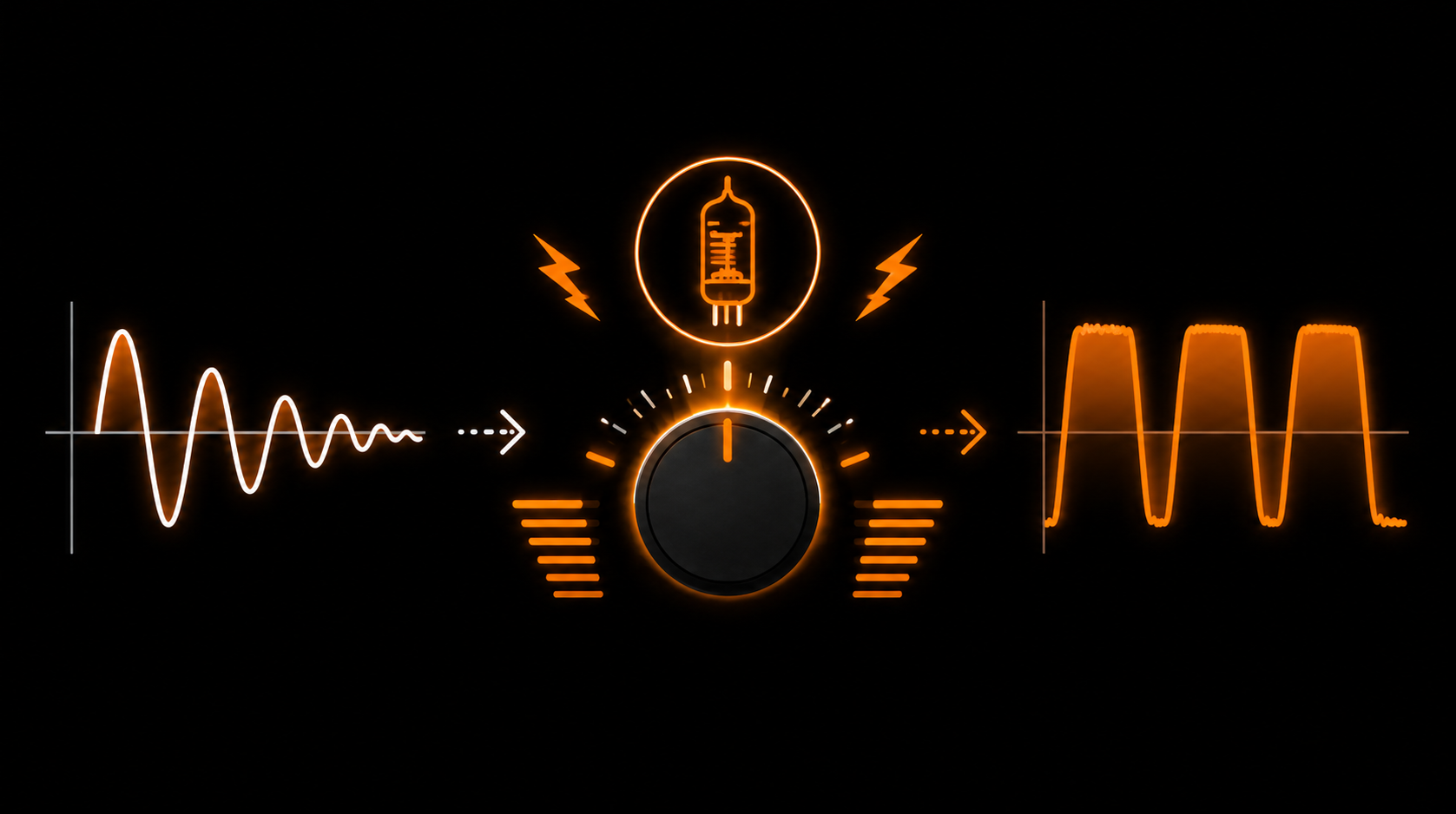
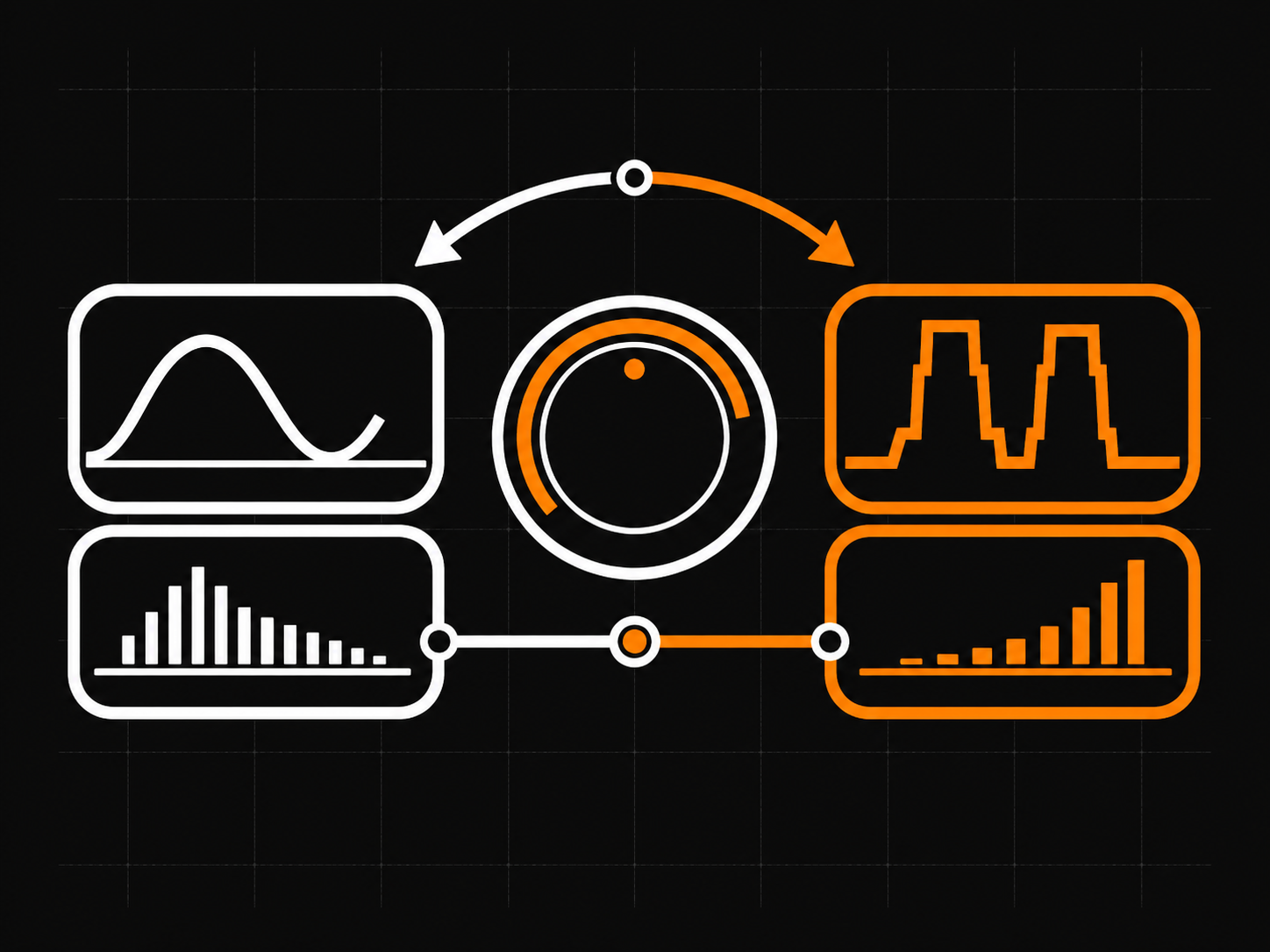
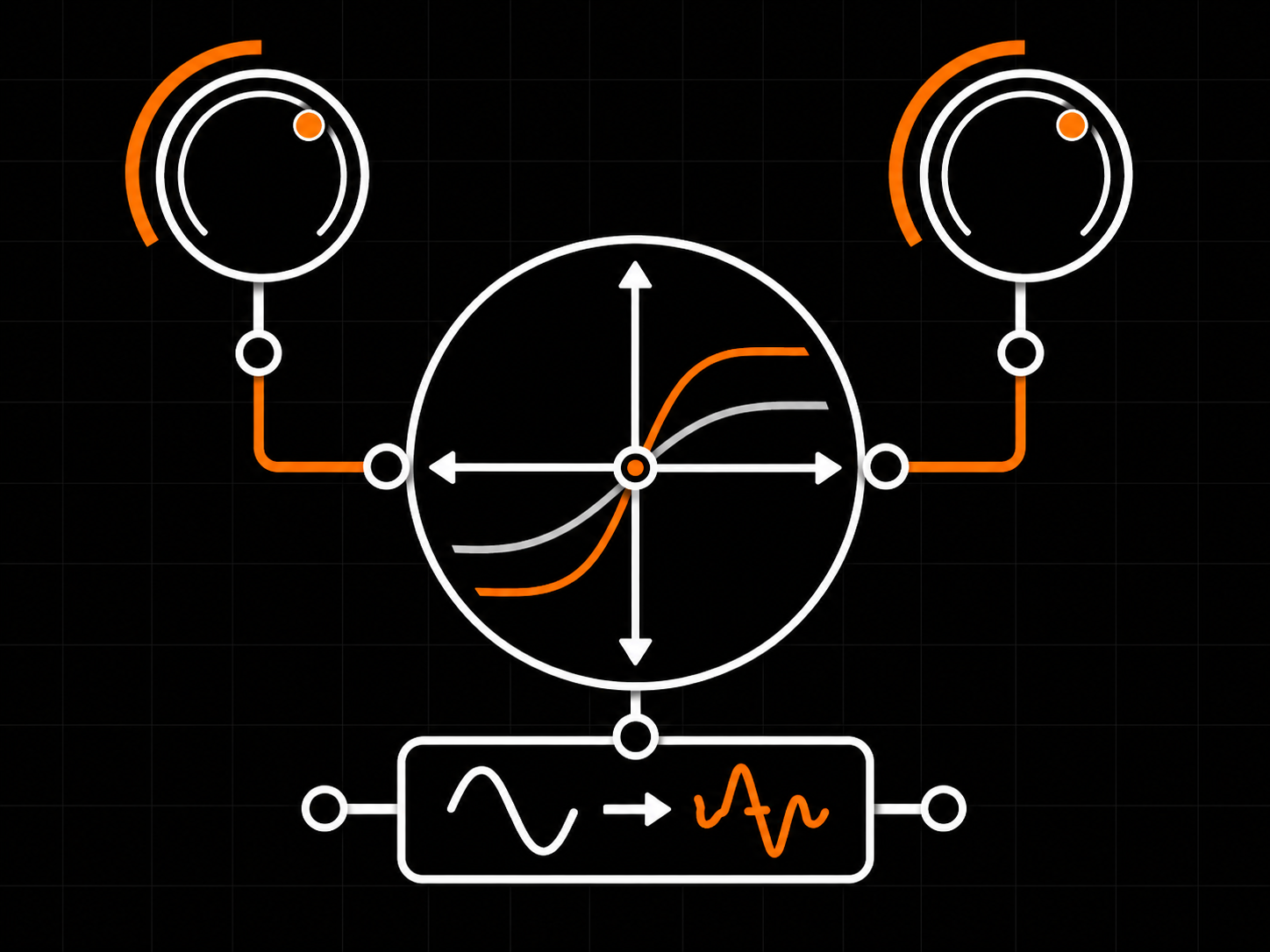
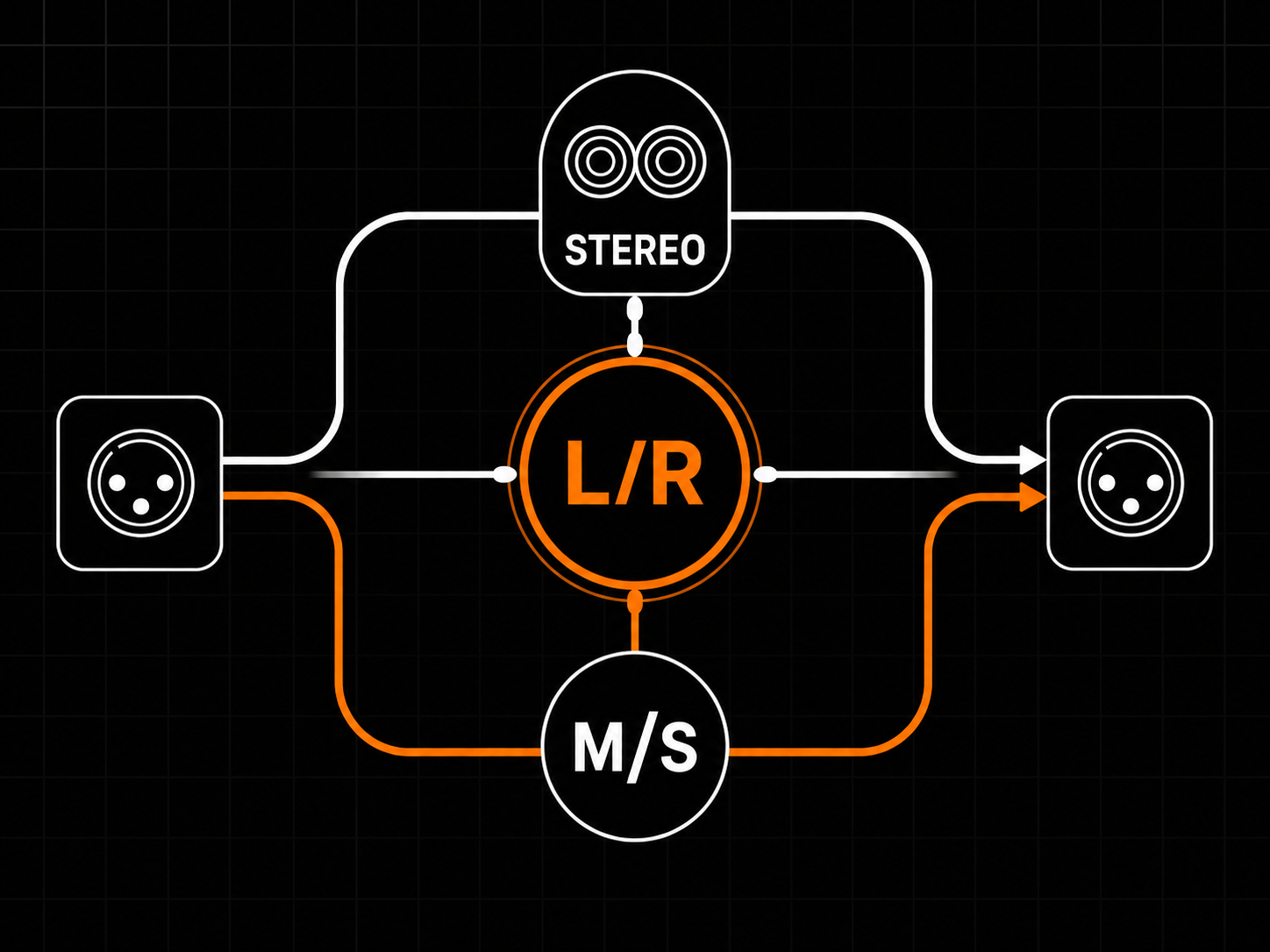
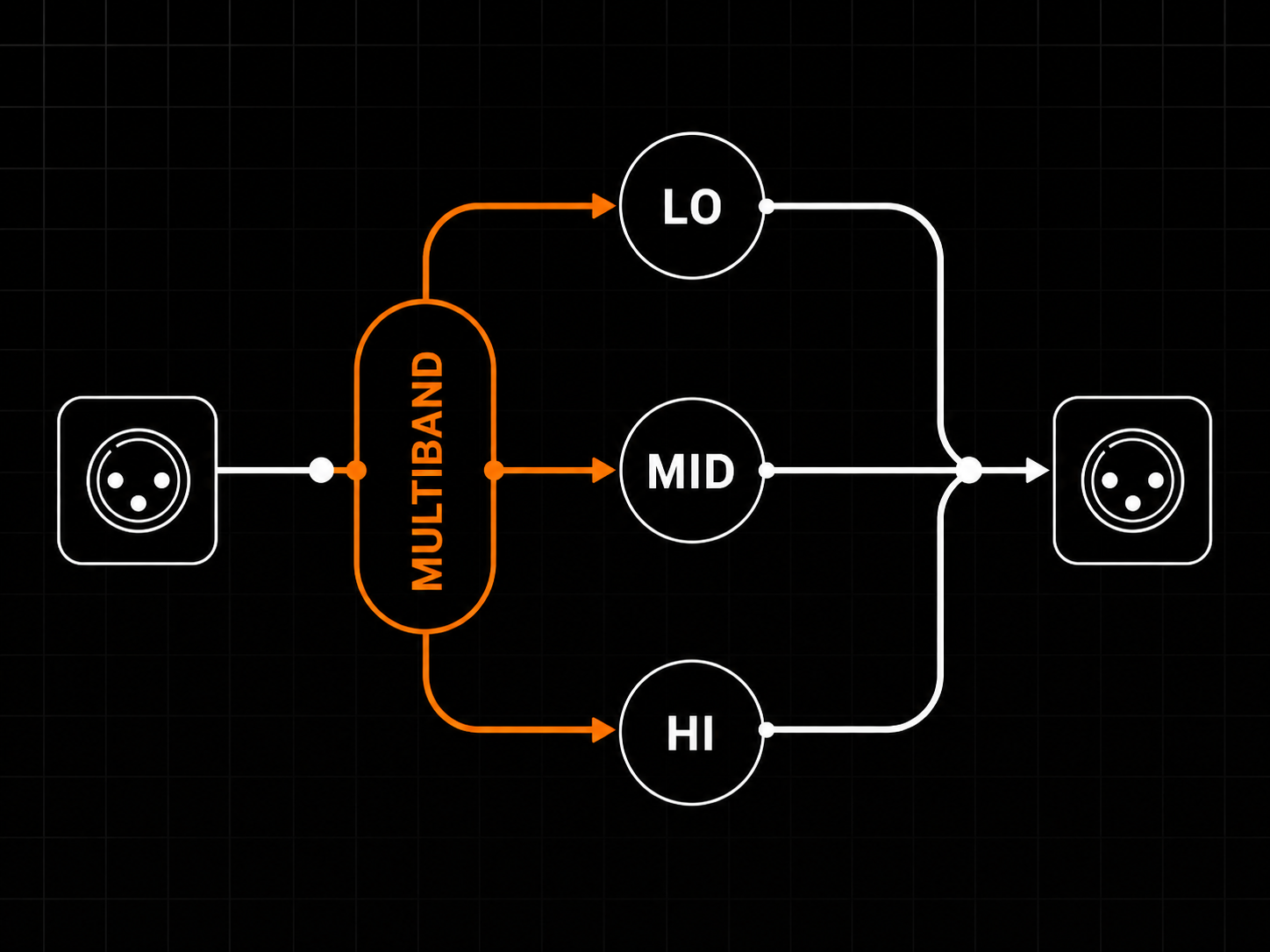
Many saturation designs are built around a static waveshaper. DeepFryer is built around measured, drive-dependent harmonic behaviour: how H2, H3, and overall saturation balance shift as the stage is pushed harder.
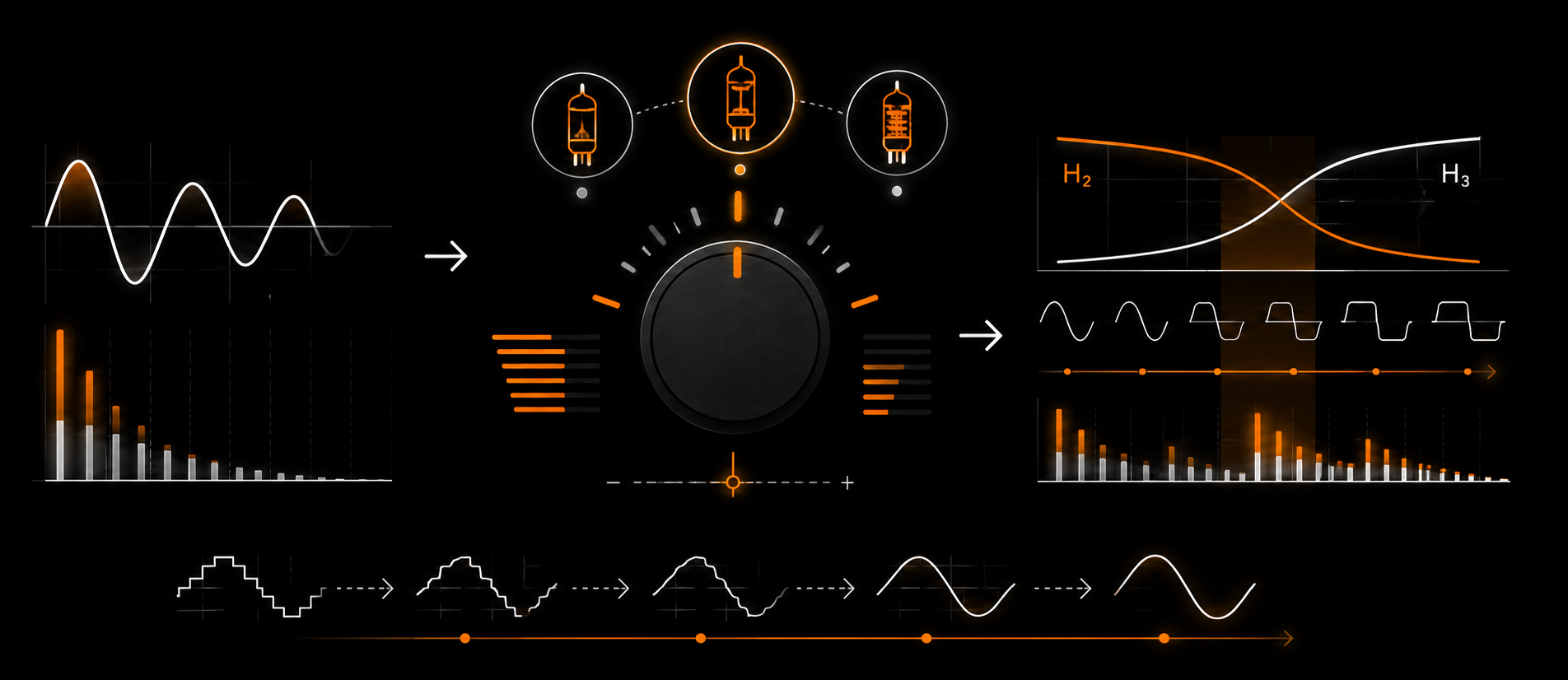
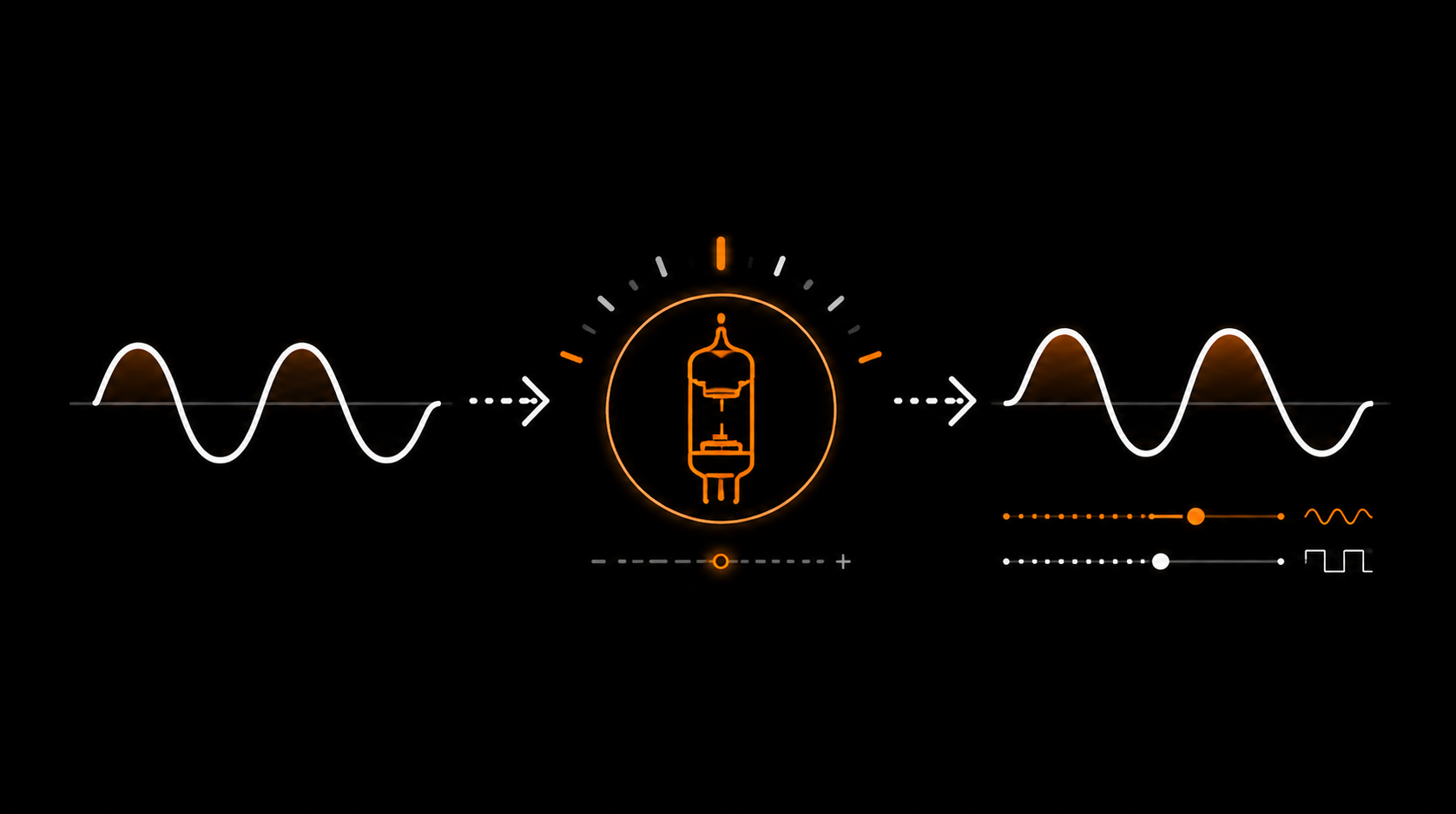
The result is a saturation curve that doesn’t just “add distortion”; it changes character as Drive rises. At low Drive, second-harmonic (H2) content dominates: gentle, even-order body and density that can thicken a signal without taking over its character. Push the Drive higher and third-harmonic (H3) content climbs until it overtakes H2 somewhere between 50% and 80%. Past that point the sound gets edgier, grittier, more present — the tube is no longer easing in, it’s breaking up.
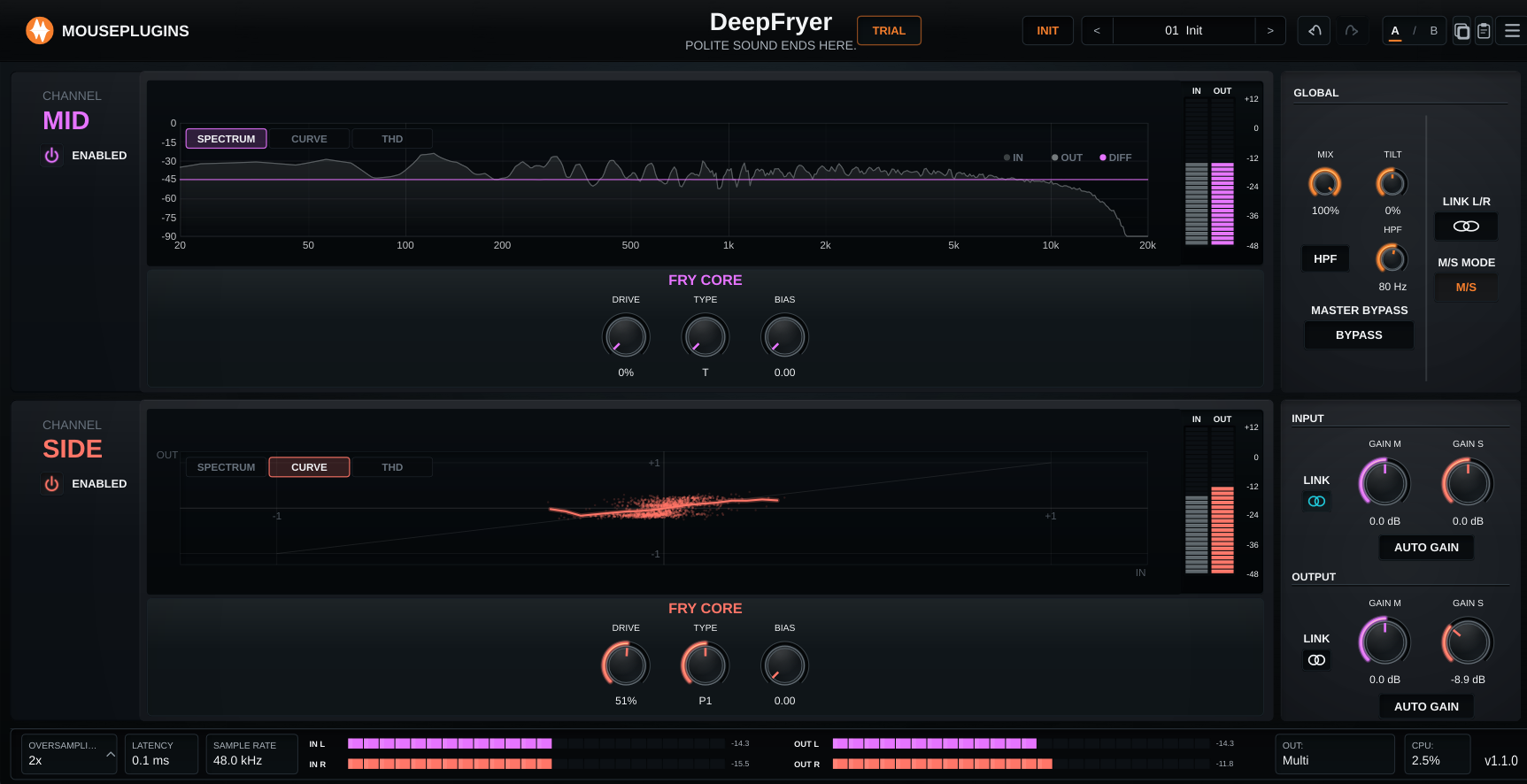
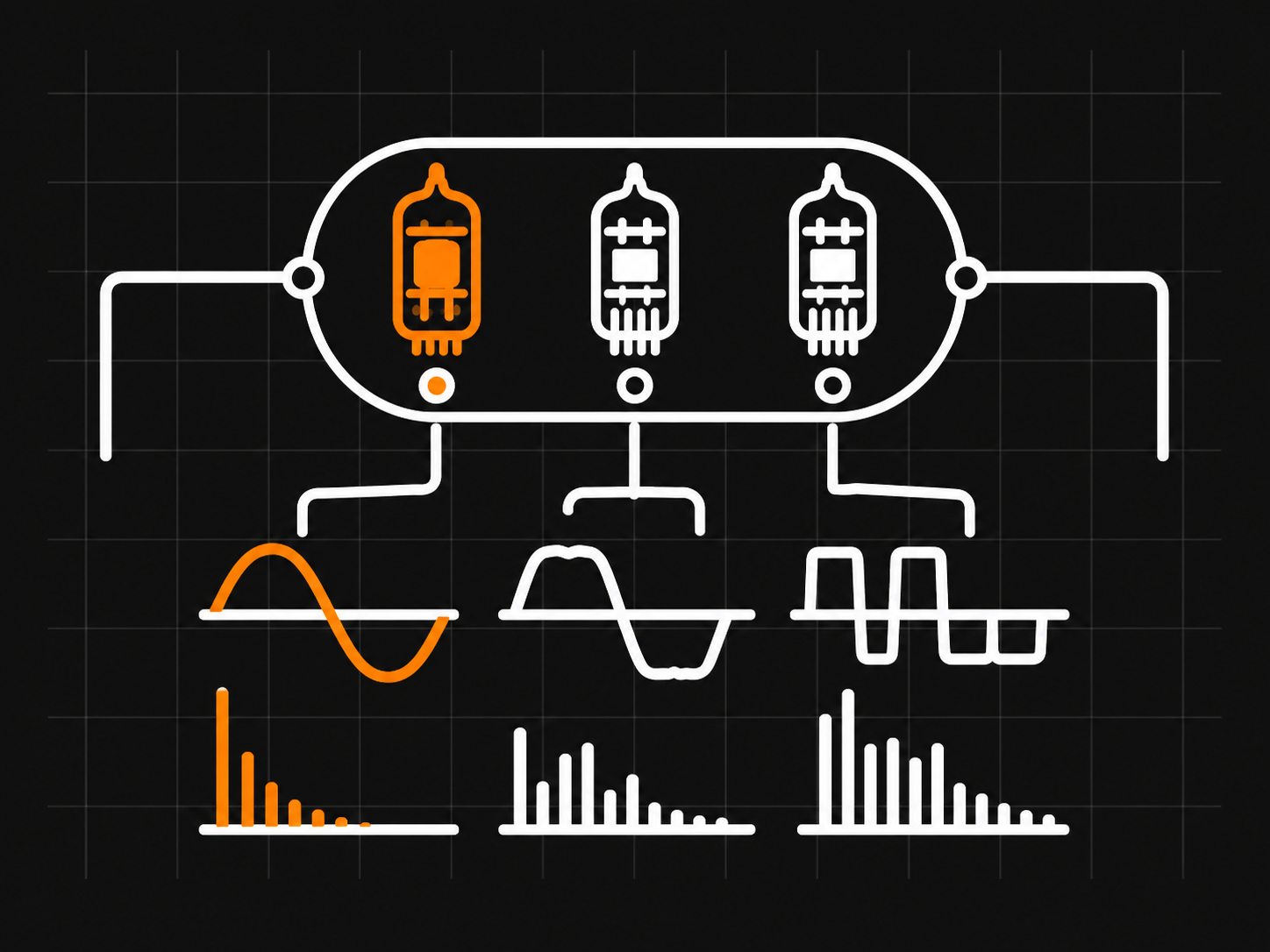
Three tube-style voicings — Triode, Pentode #1, Pentode #2 — each with a different harmonic fingerprint measured from different operating points. A Bias control shifts the DC offset inside the saturator, letting you nudge the H2/H3 balance without touching Drive. A pre-saturation high-pass filter keeps low-end content from muddying the harmonics. A post-saturation tilt control lets you shape brightness after the saturation stage.
Four Quality modes (Live, Design, Mix, Master) control oversampling from 1× to 8×. Higher modes push aliasing artefacts further above the audible band — Design (2×) is the sweet spot for sound-building, Master (8×) for final renders.
Auto-Gain compensates for the level change introduced by Drive, so bypass comparison is loudness-matched. Mix blends dry and wet for parallel saturation; at 0% Mix, the dry signal passes through unchanged.
DeepFryer is offline-first. No internet connection required after activation. No plugin telemetry, no phone-home, and no online account requirement to run the plugin. License locally, make noise immediately.