MousePlugins

The Trick

FREE
Boost and cut. At the same time. On purpose.

Circuit-style passive program EQ. Tube and transformer colour. The boost-and-cut interaction, built into the topology.

Formats CLAP VST3
Free v1.1.1
Sign in to leave feedback

The EQ that breaks its own rules.

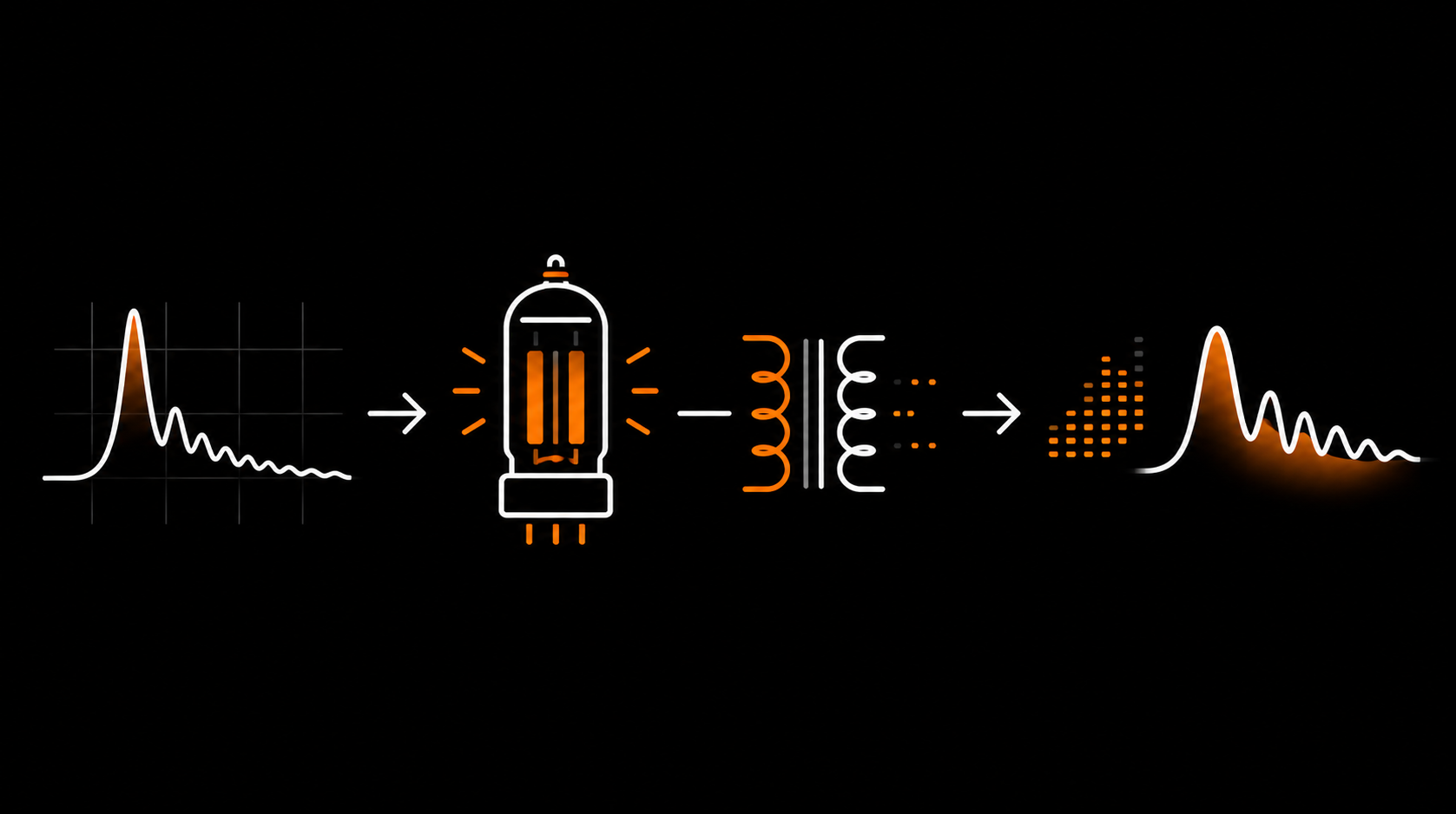
Most EQ plugins start from a curve. TheTrick starts from a circuit-style topology. The passive network runs as a Wave Digital Filter tree, sample by sample, with resistors, capacitors, inductors, and frequency-selector switches represented in the structure. The tube makeup stage and transformer voicing are handled separately and remain in the signal path, so the colour is part of the plugin's identity.

Eight EQ controls. LF Boost and LF Atten share a four-position frequency selector (20 / 30 / 60 / 100 Hz) but drive two independent LC networks. Turn both up at the same frequency and the circuit produces a resonant peak followed by a dip: the boost-and-cut interaction that named the plugin.

The HF section has two independent networks. HF Boost is a resonant RLC peak with a 7-position frequency selector (3 – 16 kHz) and a Bandwidth control. High Cut is a shelving cut with its own 3-position selector (5 / 10 / 20 kHz). Boost at 10 kHz while rolling off at 20 kHz for high-end lift without excessive top-end bite.

The passive WDF section is linear, while the tube stage is handled separately. Dry/wet Mix includes a latency-compensated dry path for parallel EQ colouring.

TheTrick is offline-first. No activation, no license file, no telemetry, no phone-home, and no account dashboard. Download it, install it, and use it.

  • Boost & Cut
  • Air Without Sizzle
  • Tube & Transformer Colour
Lifetime bundles
Get The Trick in a lifetime bundle.

All current and future plugins in that bundle. Updates included for life. Prices rise as more plugins are added.

Learn more
The EQ that breaks its own rules.

Circuit-style passive program EQ. Tube and transformer colour. The boost-and-cut interaction, built into the topology.

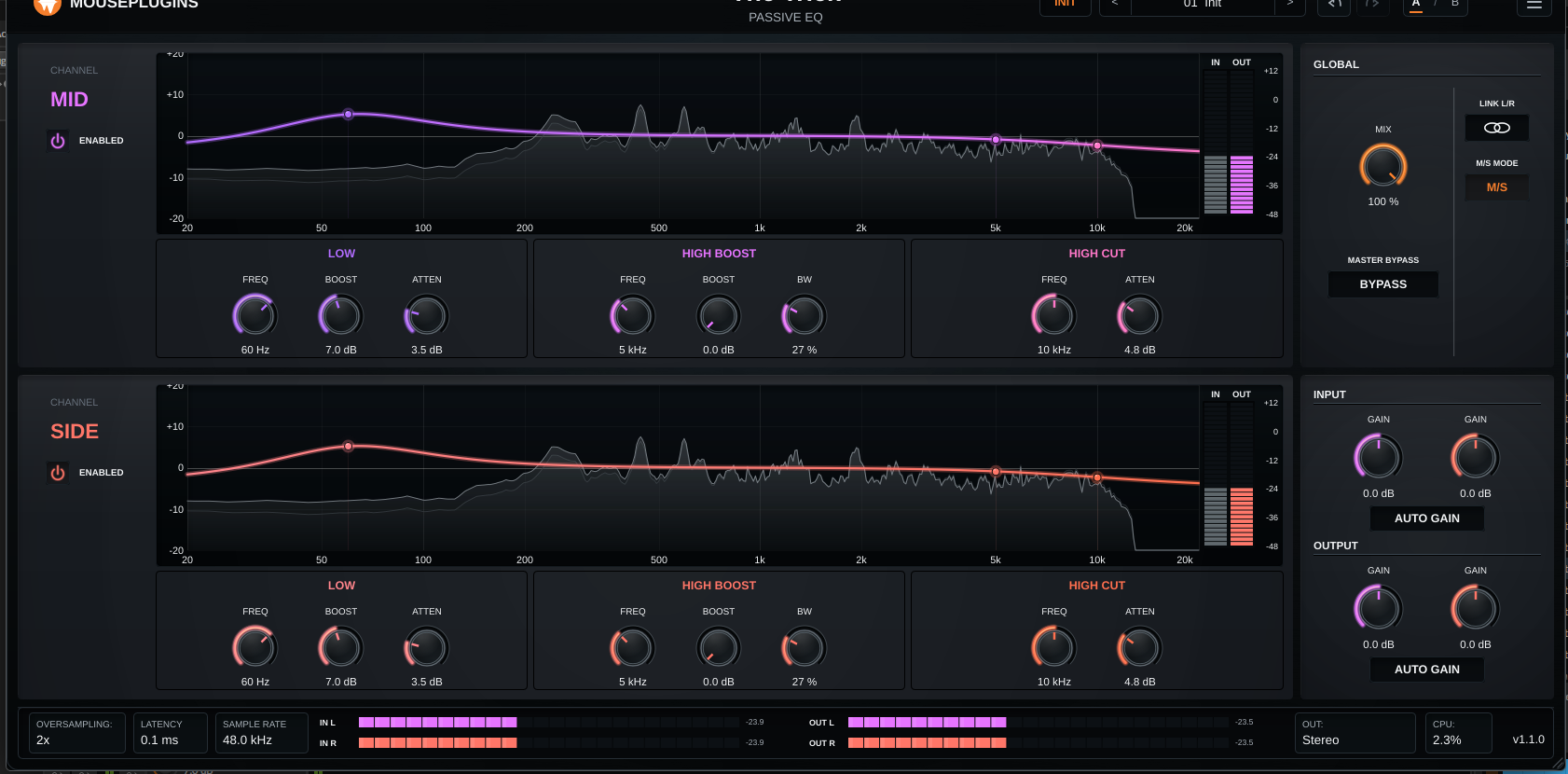
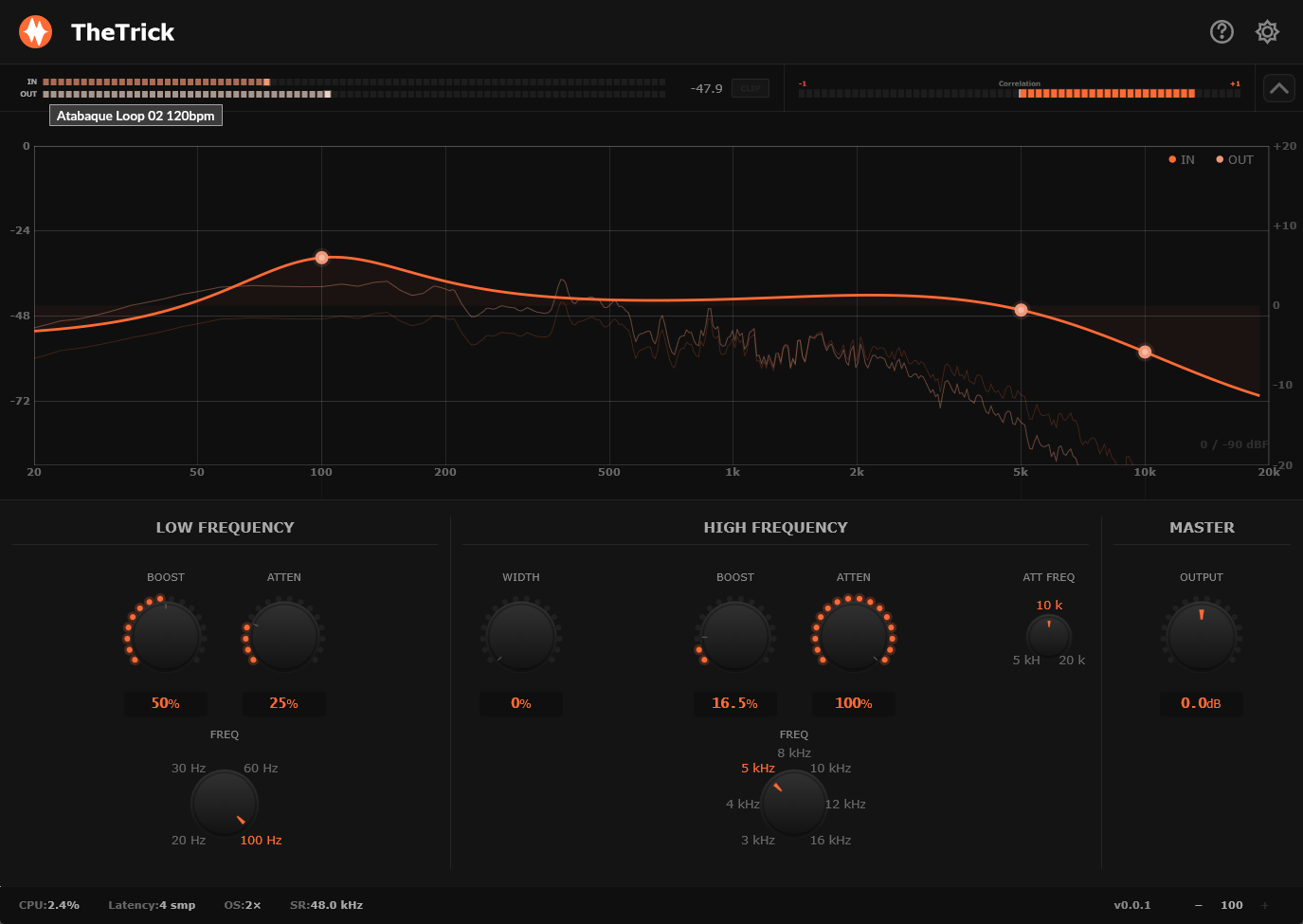
The Trick UI
Boost & Cut

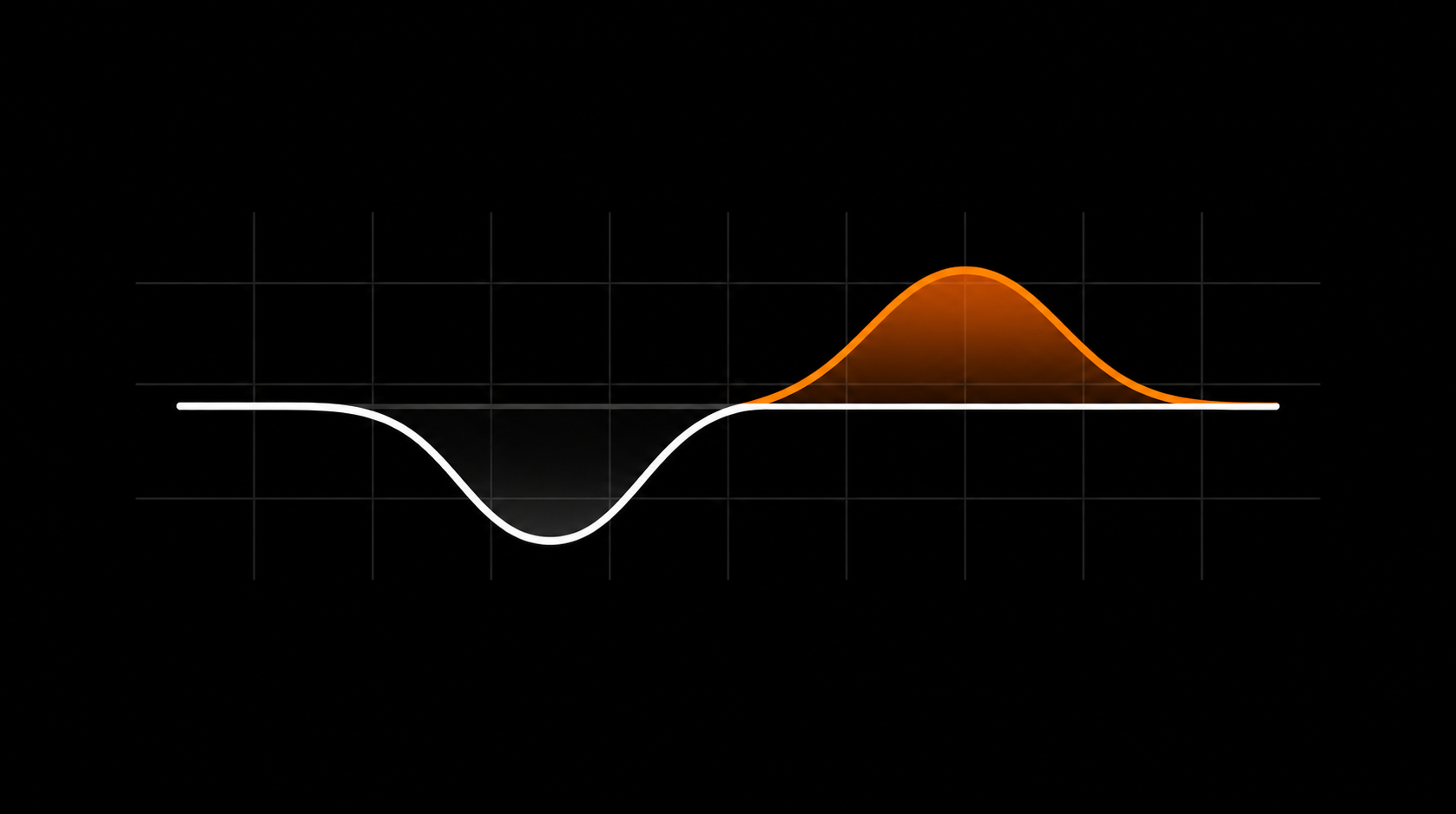
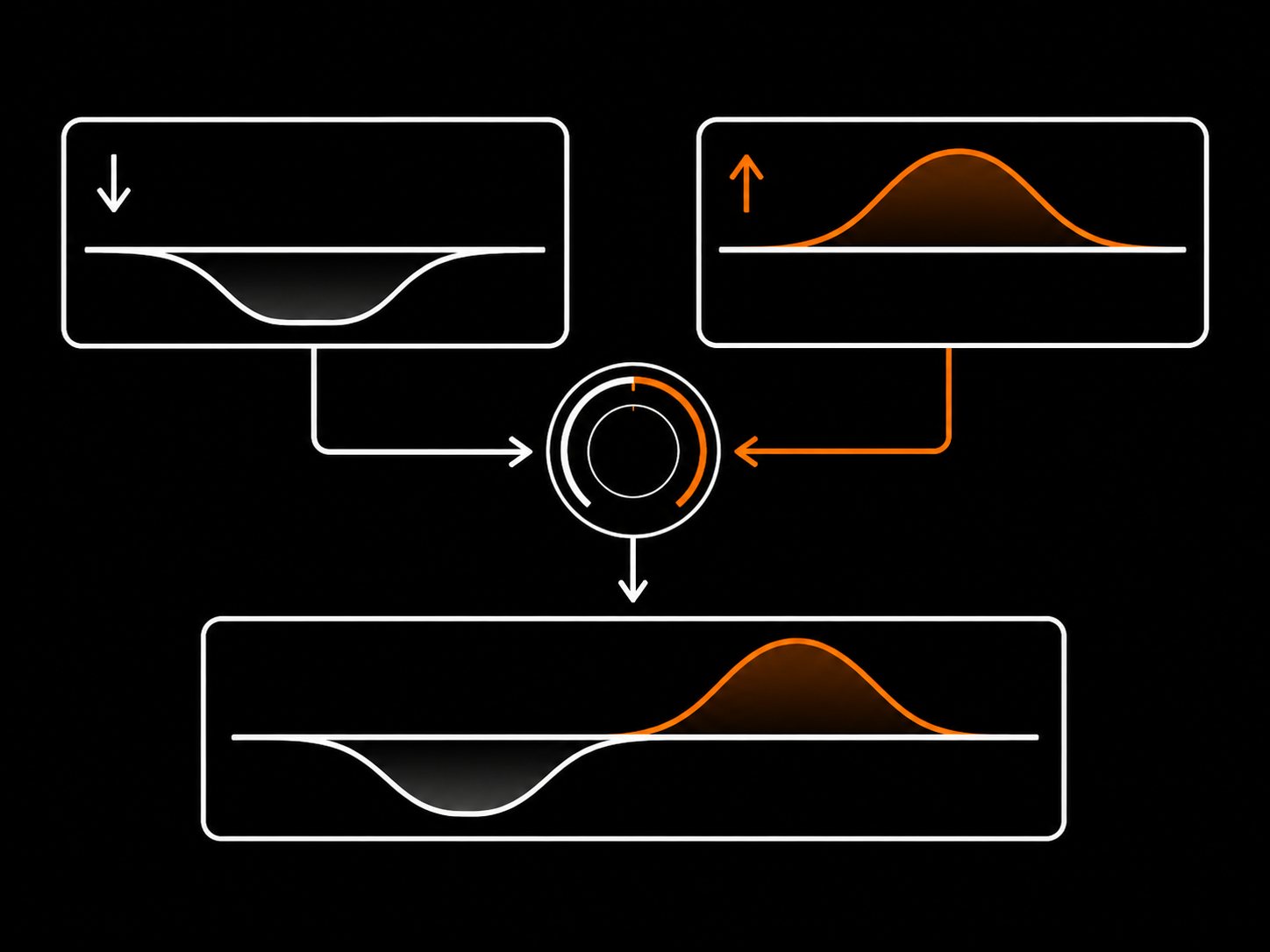
LF Boost and LF Atten both up at the same frequency. Two independent LC networks create a resonant low-end lift followed by a scoop above it. Bigger bottom, tighter low-mids. The move behind the name.

Air Without Sizzle

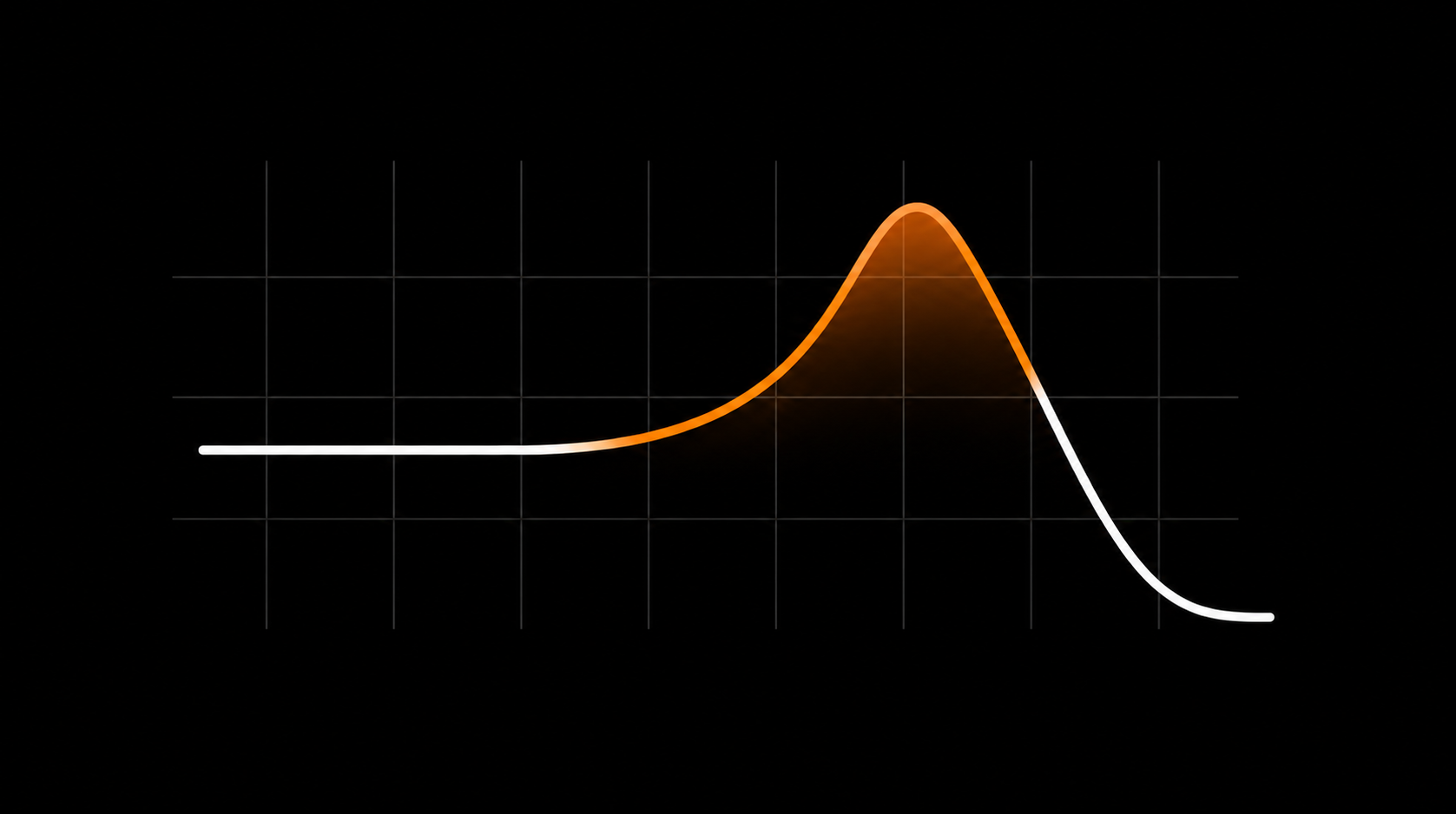
HF Boost at 10 kHz with High Cut rolling off at 20 kHz. The resonant boost adds presence while the independent shelf tames everything above it. A useful top-end move.

Tube & Transformer Colour

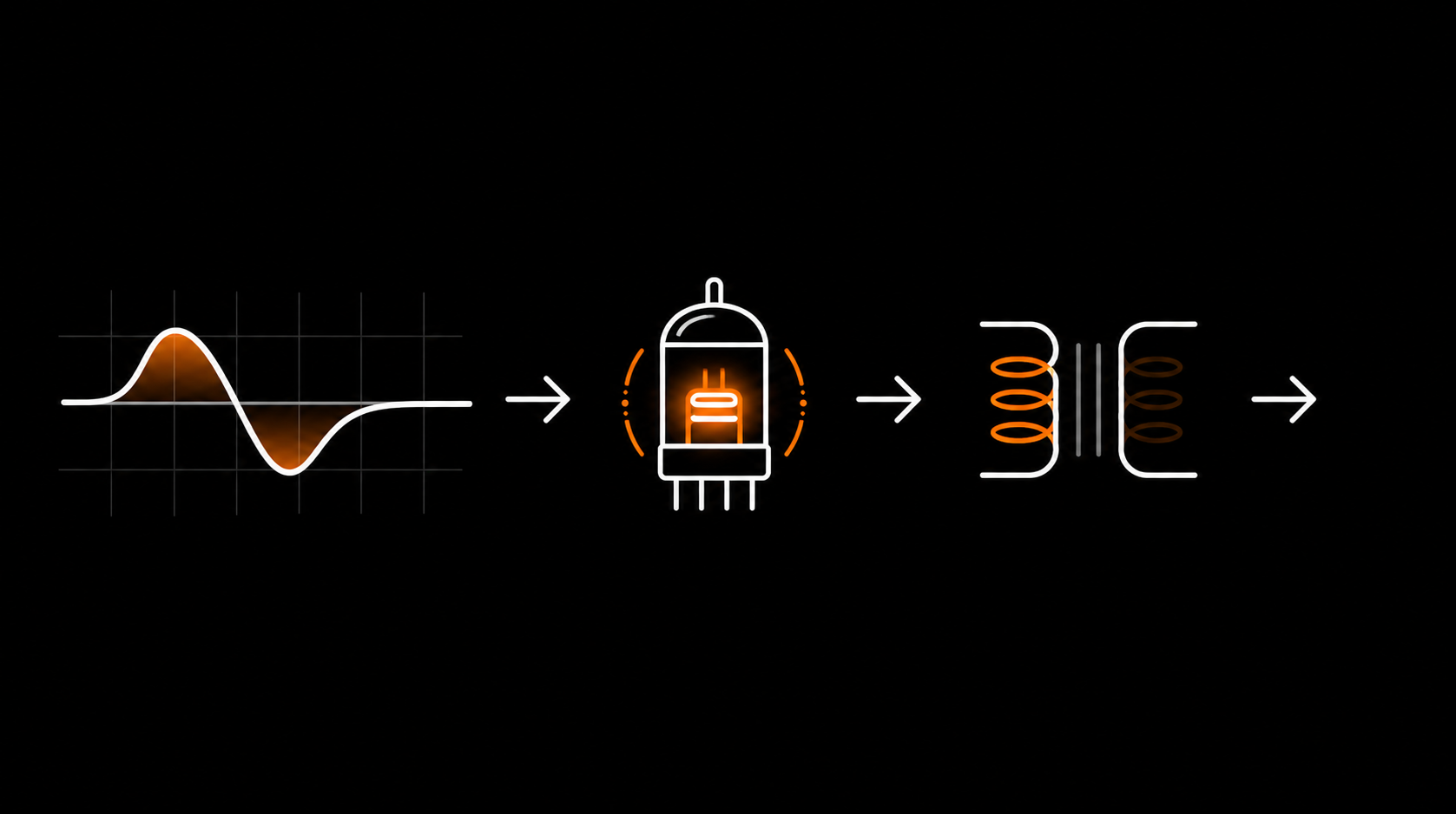
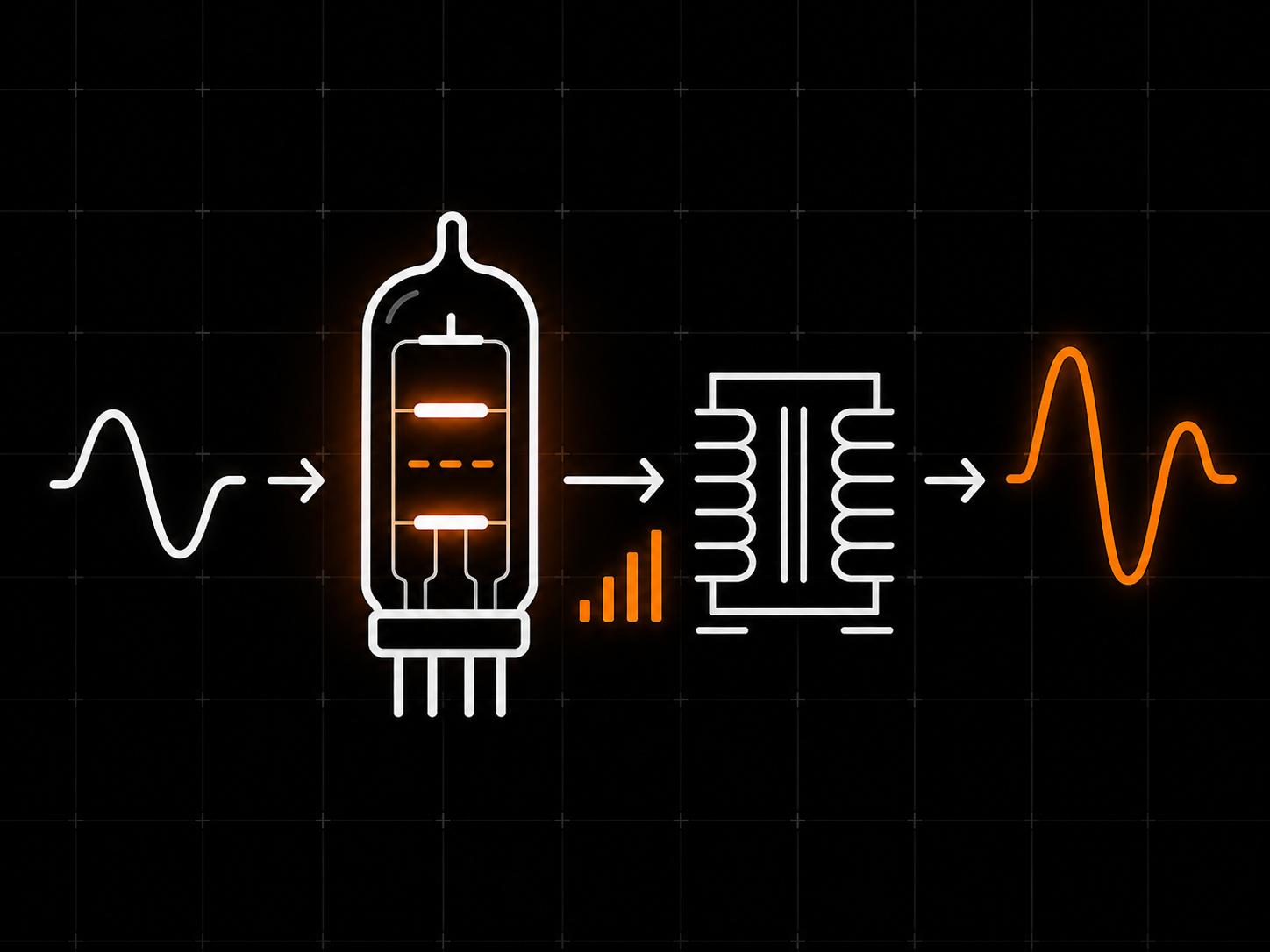
Even with all EQ controls off, the signal passes through the tube makeup stage and transformer voicing. Subtle even-order harmonics and low-end weight remain part of the signal path.

01
THE TRICK

Boost and cut at the same frequency

LOW BOOST and LOW ATTEN share a single low-frequency setting, creating a resonant lift followed by a complementary dip in the low-mids. The classic program-EQ move, built into the topology rather than faked with two opposing digital band filters.

Boost and cut at the same frequency
02
CIRCUIT-STYLE COLOUR

Tube and transformer character

Circuit-style modelling colours the signal path with tube saturation and transformer-inspired behaviour that responds to input level. It is part of the signal path, not just a static EQ curve.

Tube and transformer character
03
ROUTING IN ONE CLICK

Stereo, L/R, or M/S

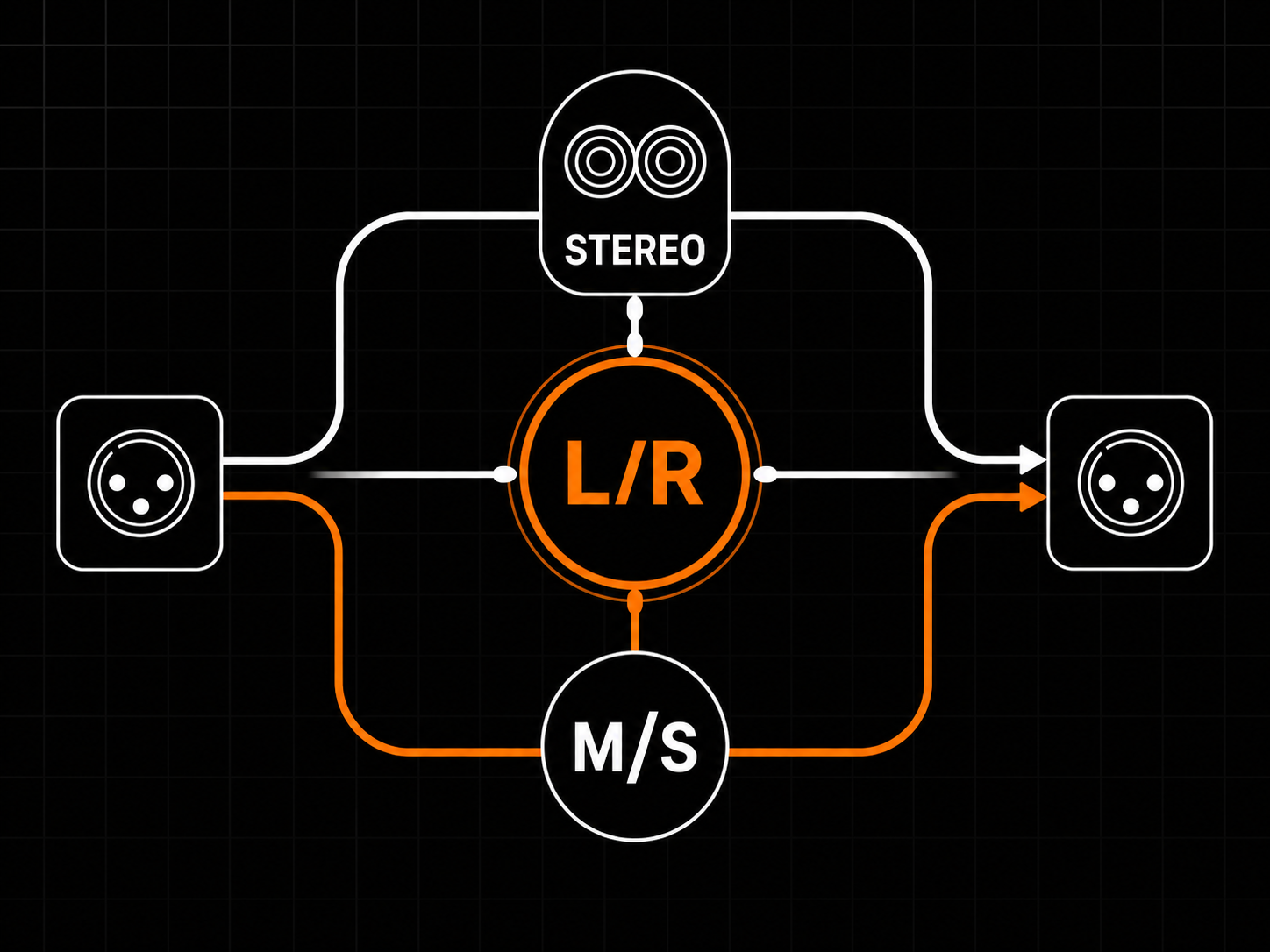
Switch between Stereo, Left/Right, and Mid/Side operation from one control. Internal Mid/Side encode/decode and Lane Link let you move quickly between classic stereo polish, independent dual-lane work, and width-aware tone shaping.

Stereo, L/R, or M/S
04
FREE, FULLY FEATURED

No account, no demo limit

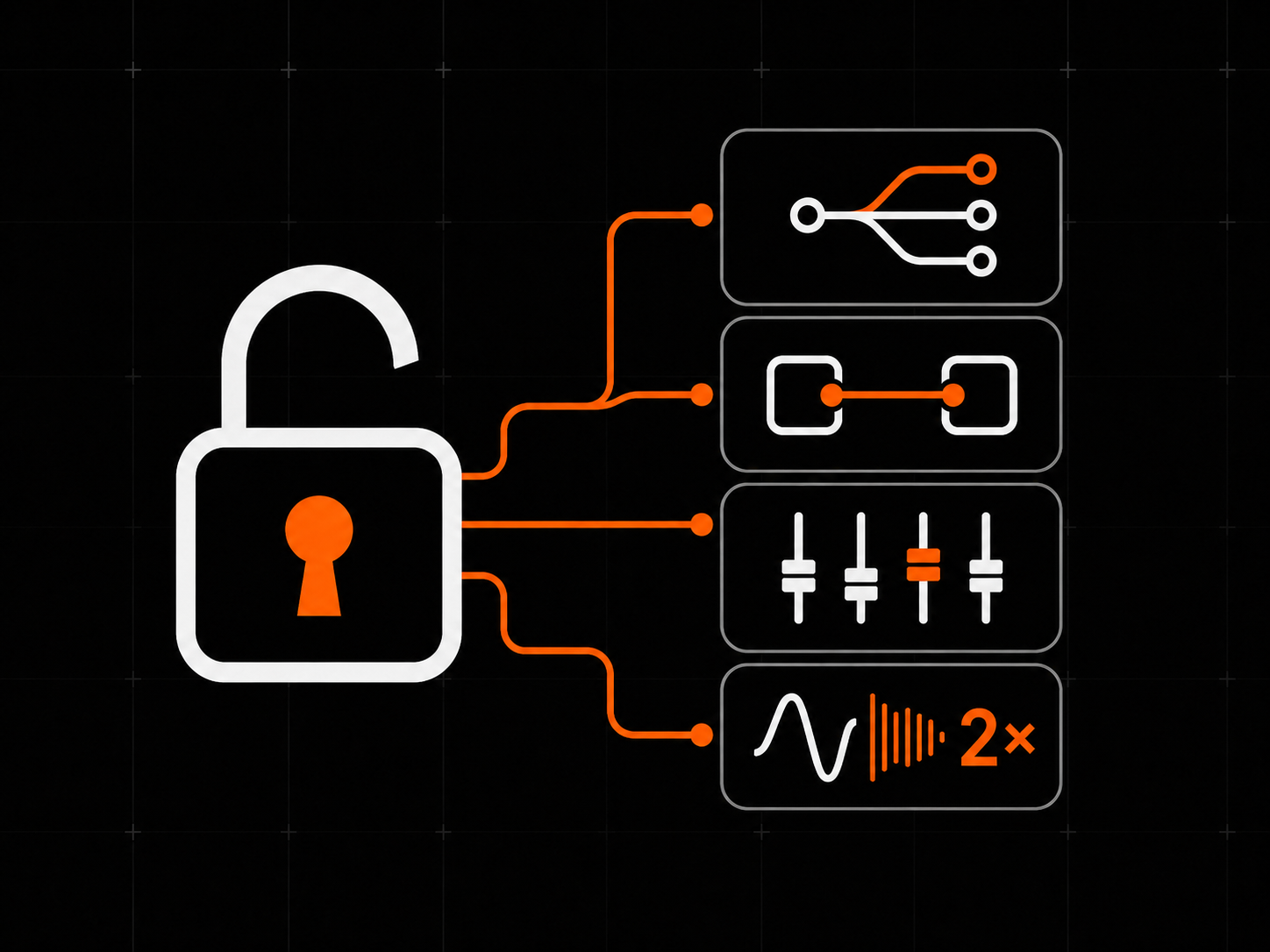
The Trick is free, with the same modern workflow features as the rest of the line: Stereo, L/R, and M/S routing, Lane Link, parallel Mix, Auto-Gain, and always-on 2× oversampling. No account required, no demo limit, no upsell.

No account, no demo limit
Overview
Plugin type Program-style passive EQ
Use cases Low-end weight on kick / bass / full mix, presence boost on vocals / drums, mix-bus polish
Channel modes Stereo, Left/Right, Mid/Side
Lane linking Linked or unlinked processing per mode
Reported latency Fixed low latency reflecting internal 2x oversampling; host-compensated
Processing
Signal path Input stage, LOW boost/atten at same frequency, HIGH BOOST bell, HIGH CUT shelf, parallel mix, output stage
Passive-EQ trick Simultaneous LF Boost and LF Atten at the shared LF frequency, producing a resonant lift followed by a low-mid dip.
Oversampling Internal 2x, always-on
Internal processing 64-bit float
Controls
LOW FREQ 20 / 30 / 60 / 100 Hz, default 60 Hz
LOW BOOST 0-10 boost amount
LOW ATTEN 0-10 attenuation amount
HIGH BOOST FREQ 3 / 4 / 5 / 8 / 10 / 12 / 16 kHz
HIGH BOOST 0-10 boost amount, plus bandwidth (BW)
HIGH CUT FREQ 5 / 10 / 20 kHz
HIGH CUT 0-10 attenuation amount
Channel Mode Stereo / Left-Right / Mid-Side
Lane Link Linked / Unlinked
Mix Parallel dry/wet blend
Input / Output Gain staging with optional Auto Gain
Auto Gain Input and output gain staging helpers targeting 0 VU / -18 dBFS RMS
Knob reset Double-click any knob
Metering
Input meters Per active lane, peak + RMS
Output meters Per active lane, peak + RMS
EQ graph Static EQ curve over live IN + OUT spectrum
Footer readout Oversampling, latency, sample rate, CPU, version
Formats
Plugin formats VST3, CLAP
Sample rates 44.1, 48, 88.2, 96, 176.4, 192 kHz
Channel layout Stereo in / stereo out
Automation All main controls exposed to host automation
Preset format Single-file .trickpreset XML
System Compatibility
Windows 10 / 11 (64-bit)
Linux x64 glibc 2.35+
Tested / recommended Ubuntu 22.04+, Debian 12+, Mint 21+, Fedora 36+, Pop!_OS 22.04+
Rolling distros Arch / Manjaro / EndeavourOS / Garuda, openSUSE Tumbleweed
macOS Not currently shipped
CPU x86_64 with SSE2
RAM Negligible (DSP-only)
Internet Not required
Licensing
License model Free plugin
Activation None — no account, no license file, no phone-home
Machines Unlimited
Updates Free updates included
License term Free to use, no time limit
Installation
Windows VST3 C:\Program Files\Common Files\VST3\
Windows CLAP C:\Program Files\Common Files\CLAP\
Linux VST3 ~/.vst3/ or /usr/local/lib/vst3/
Linux CLAP ~/.clap/ or /usr/local/lib/clap/
Components VST3 + CLAP for Windows and Linux
Authorization None (free plugin)
Set LF Boost and LF Atten to non-zero values at the same LF Frequency. On paper it looks like they should cancel. They do not: the boost and attenuation paths use two separate LC networks. The result is a resonant low-end lift followed by a scoop above it. Bigger bottom, tighter low-mids. That is the trick.
The passive network has about 24 dB of insertion loss. The tube makeup stage restores that level and adds even-order harmonic colour. The transformer voicing adds low-end weight. Both stages are always in the signal path as part of the circuit-style topology.
Both LF networks sit behind a single four-position frequency selector. The Trick follows that shared-selector topology. This coupling is what makes the trick work: two independent filters running through a linked control structure.
HF Boost is a resonant RLC peak: the energy sits around the centre frequency, not simply above it. High Cut is a shelving cut. They have independent frequency selectors, so you can boost at 10 kHz while rolling off at 20 kHz for high-end lift without excessive top-end bite.
A WDF represents circuit components such as resistors, capacitors, and inductors inside a scattering-junction tree. The circuit topology is kept in the structure, so the frequency response, phase behaviour, and interaction between components come from that structure rather than from curve-fitting alone.
No. The HF Boost has 7 frequency positions, and the LF section has 4. These are broad tone-shaping bands, not narrow parametric cuts. If you need to notch a specific resonance, use a parametric EQ. The Trick is for tonal shaping and harmonic colour.
The tube stage runs at fixed 2× oversampling, which introduces a small latency from the oversampling filters. The plugin reports that latency to the host for plugin-delay compensation.
On a bus or master, place it after dynamics and before the final limiter. The tube stage adds harmonics, so placing it after a brickwall limiter can change the final level and limiting behaviour. For mastering colour, try it early in the chain with a bus compressor after it.
Yes. The Trick is free, with no demo limitations, no noise bursts, and no time limit. Every control is active. No account is required to download it.
Yes. In v1.1.0, the plugin window supports free resizing: drag the window edges or corners to make the interface larger or smaller. The plugin remembers the window size and restores it the next time it opens.
The Trick supports VST3 and CLAP on Windows and Linux. On Linux, that includes hosts such as Reaper and Bitwig. On Windows, use a VST3-compatible or CLAP-compatible DAW.
What's Included
The Trick box
  • The Trick Plugin
  • Quick Start
  • Full User Manual
  • Factory presets
Supported Formats
CLAPVST3
System Requirements
Windows: 10 or later
Linux x64: glibc 2.35+
  • Ubuntu 22.04+
  • Debian 12+
  • Linux Mint 21+
  • Fedora 36+
  • Arch / Manjaro / EndeavourOS / Garuda
  • openSUSE Tumbleweed
  • Pop!_OS 22.04+
CPU: Any 64-bit x86
Host: 64-bit VST3 or CLAP-compatible DAW
Free updates Included for The Trick 1.x
No activation No license file, no phone-home
Human support Real replies when something breaks
Cart
Cart empty
Browse Plugins