The Trick

Boost and cut. At the same time. On purpose.
Not a curve fit. Not an impulse response. A circuit-style model.
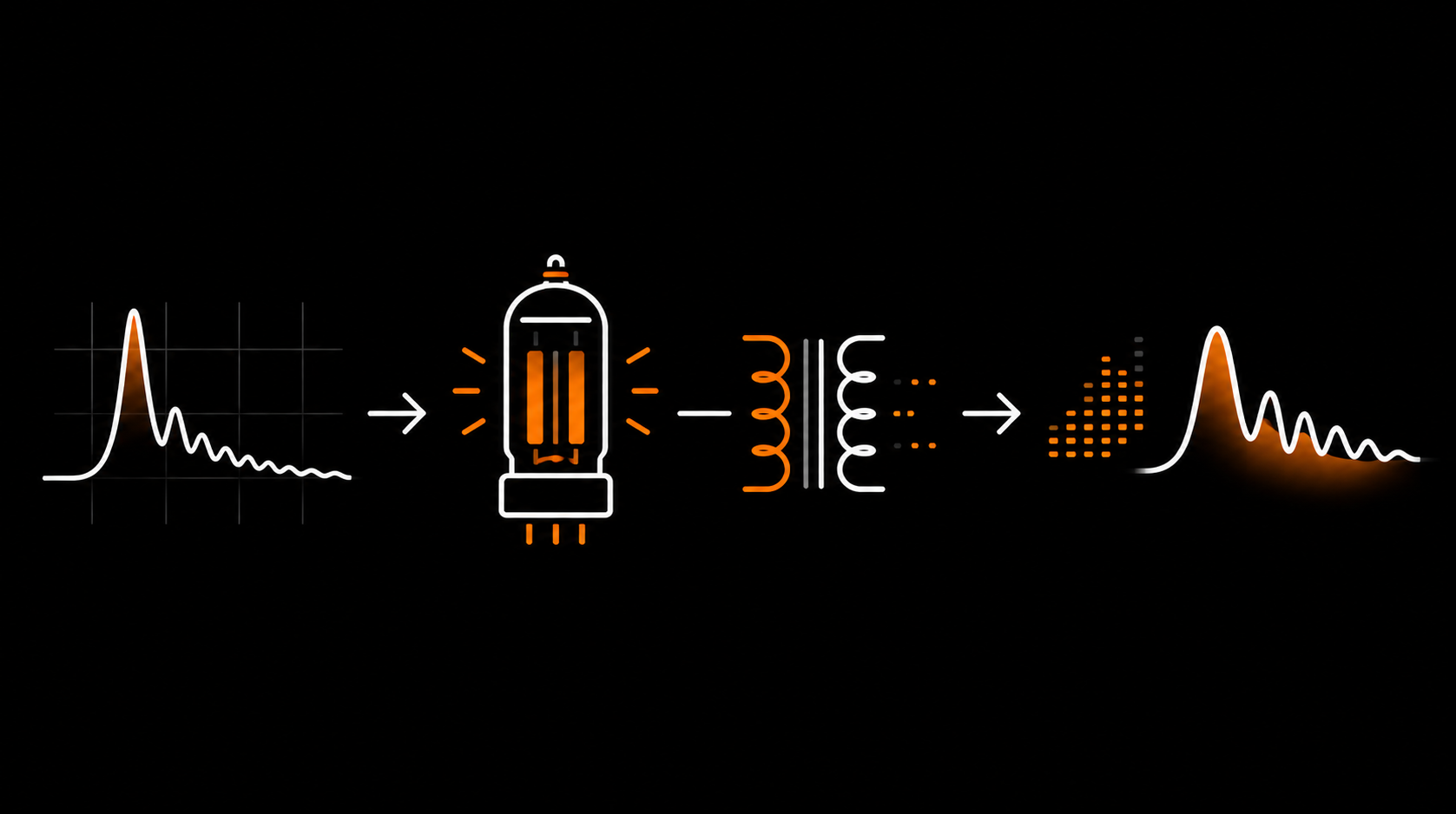
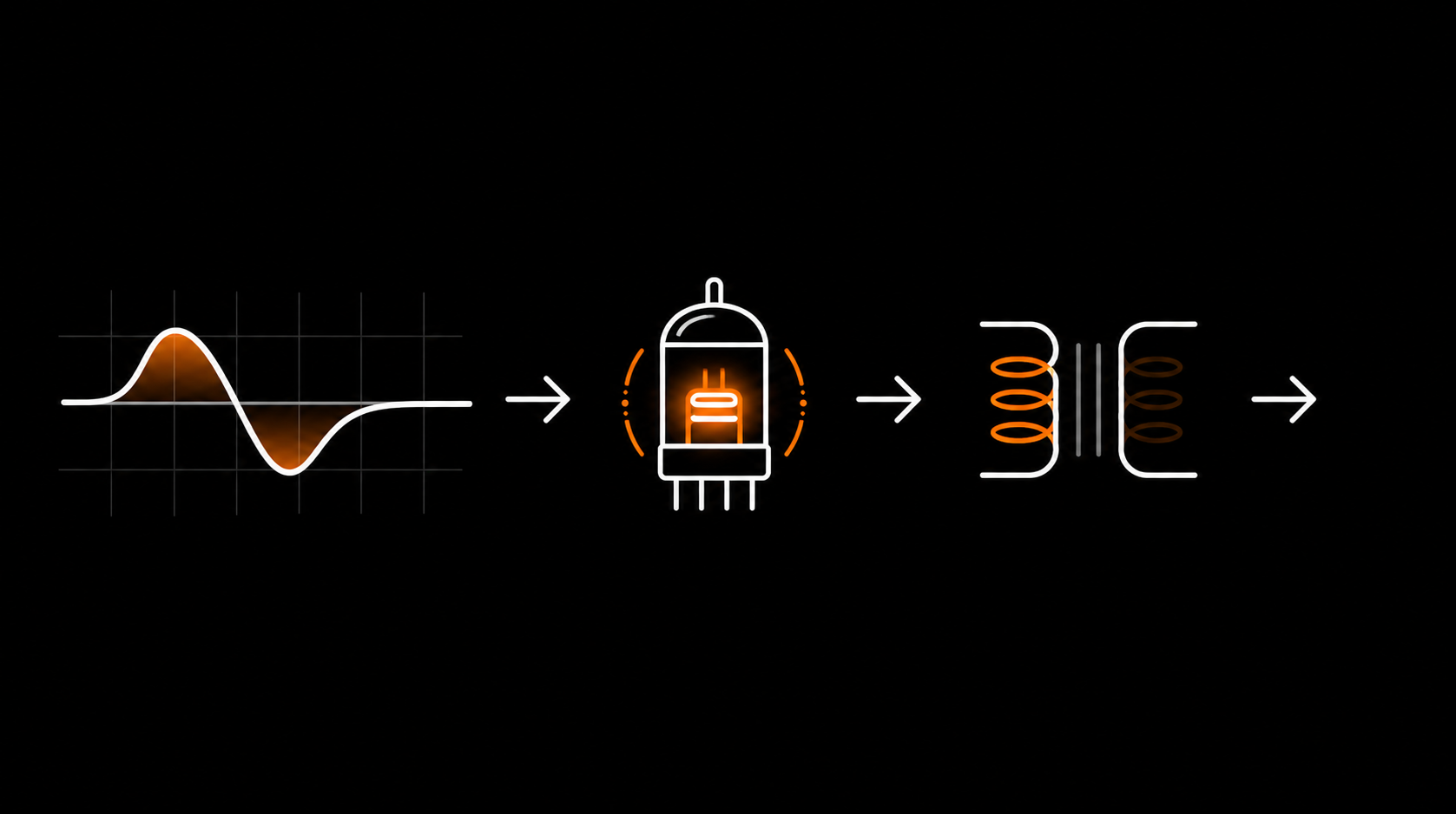
The passive EQ topology runs as a Wave Digital Filter tree, sample by sample.

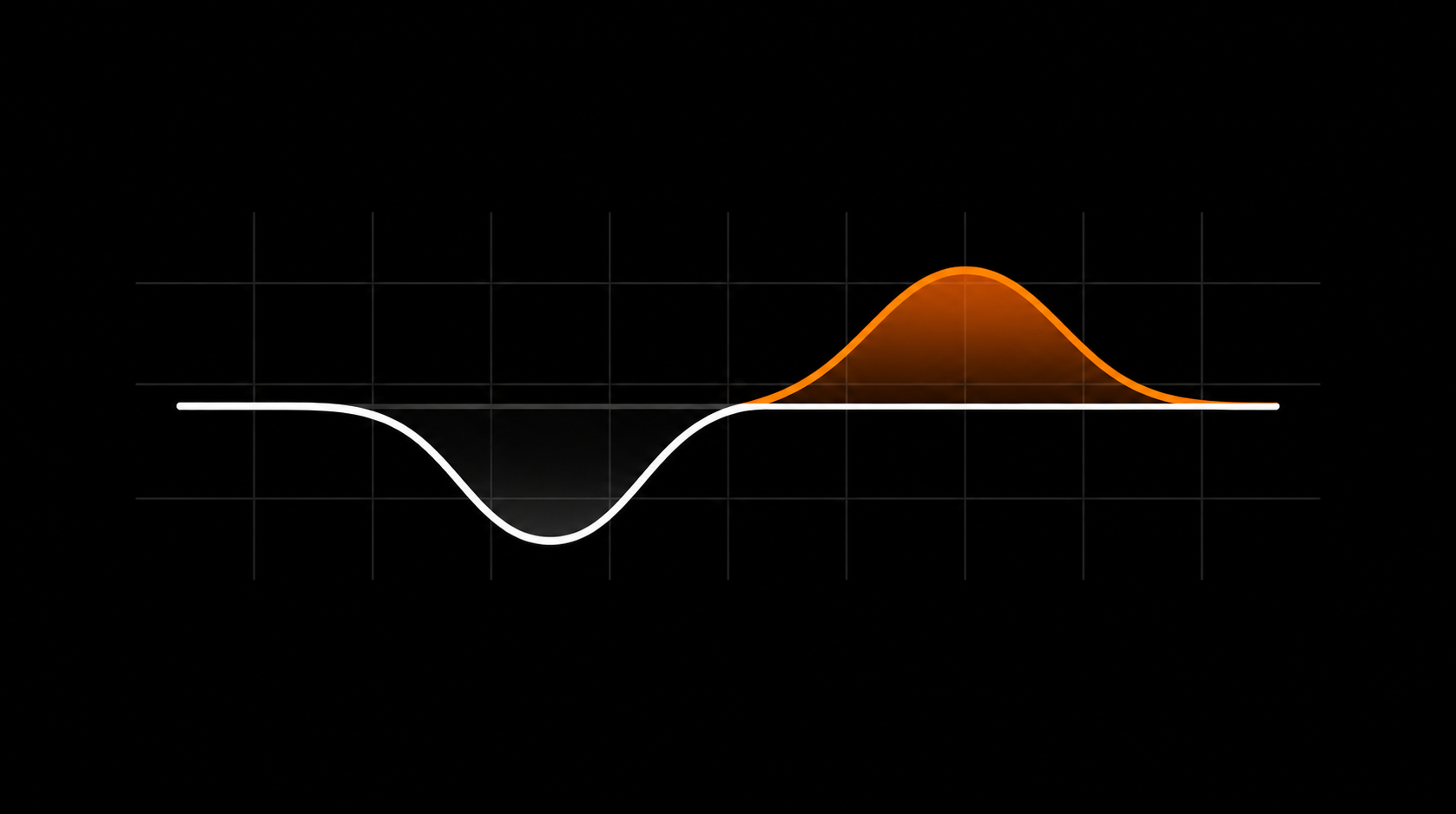
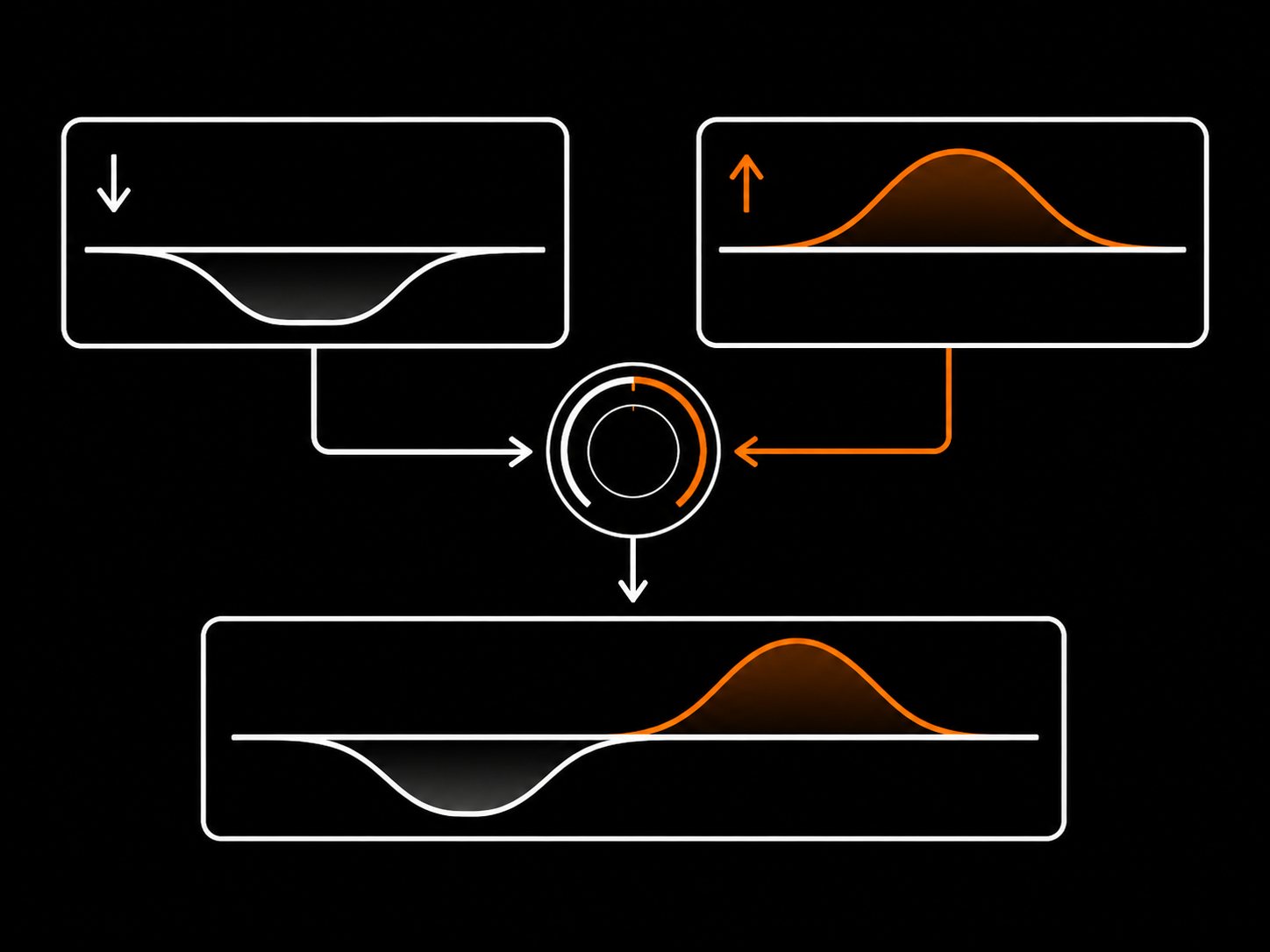
Boost and cut at the same low frequency. The peak-then-dip move happens because two independent LC networks share one frequency selector. No special-case trick code: just the circuit topology doing its job.

Linux + Windows.
VST3 / CLAP.
Offline-first.
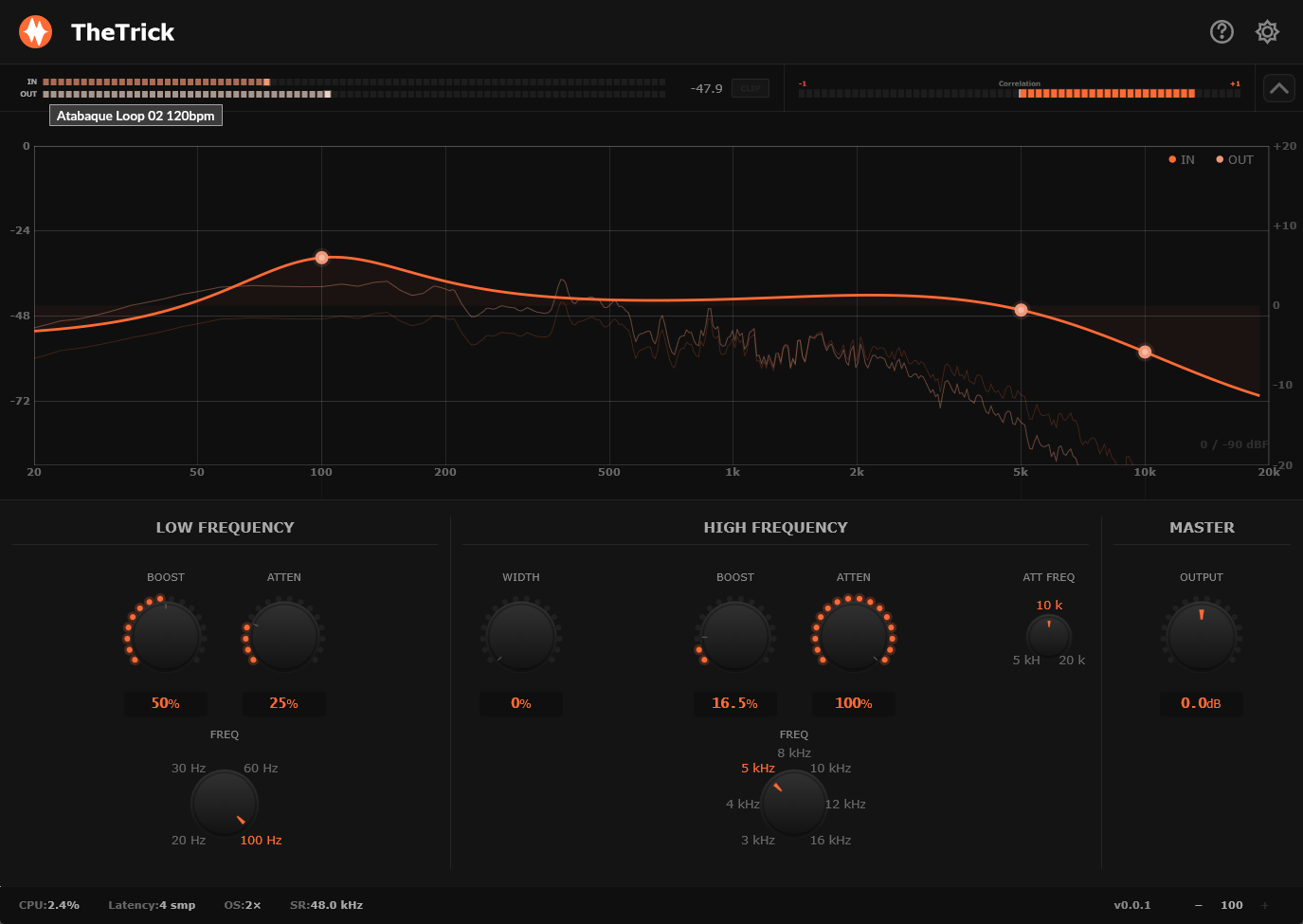
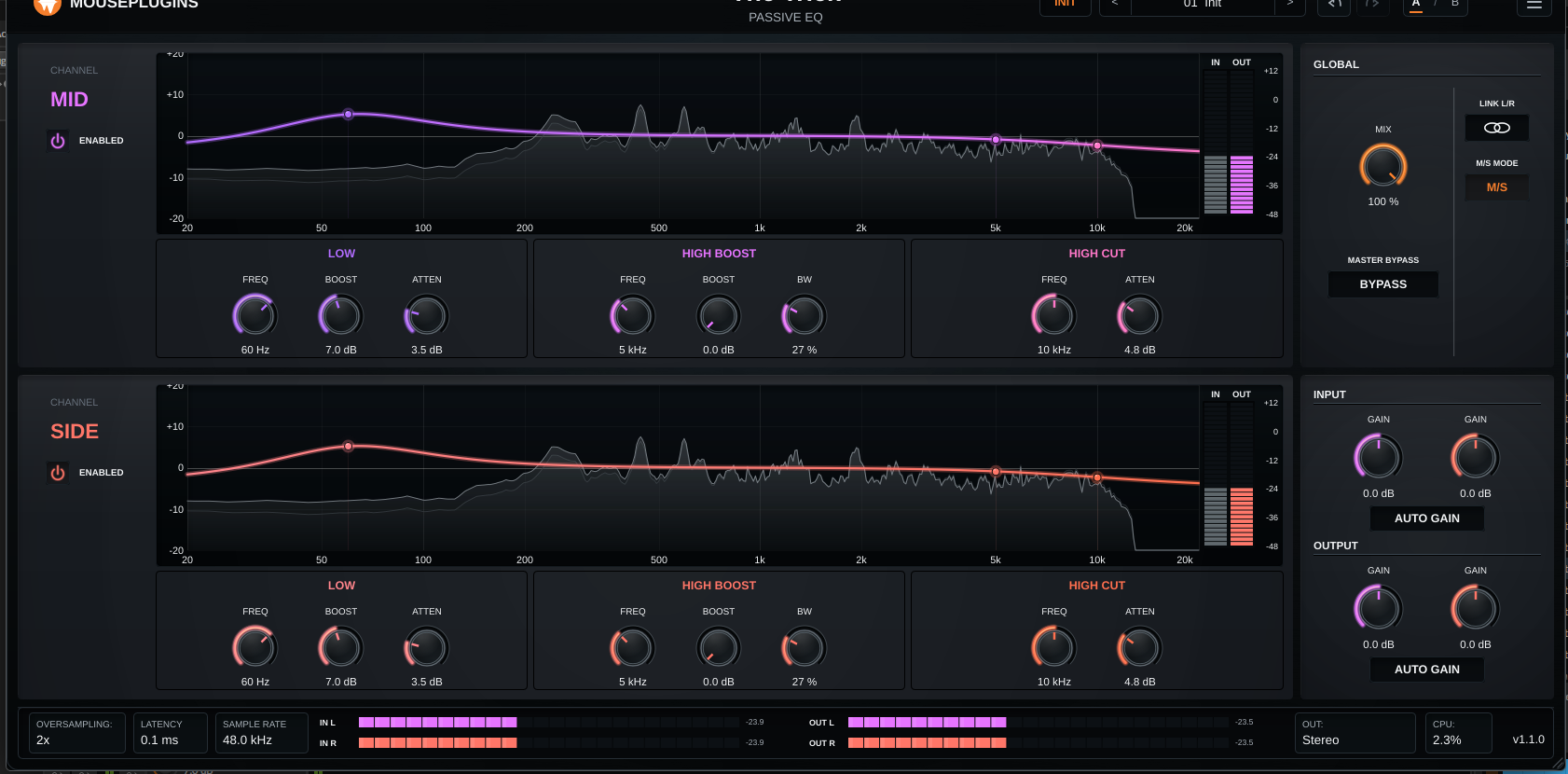
The Trick interface

Boost & Cut

LF Boost and LF Atten both up at the same frequency. Two independent LC networks create a resonant low-end lift followed by a scoop above it. Bigger bottom, tighter low-mids. The move behind the name.

Air Without Sizzle

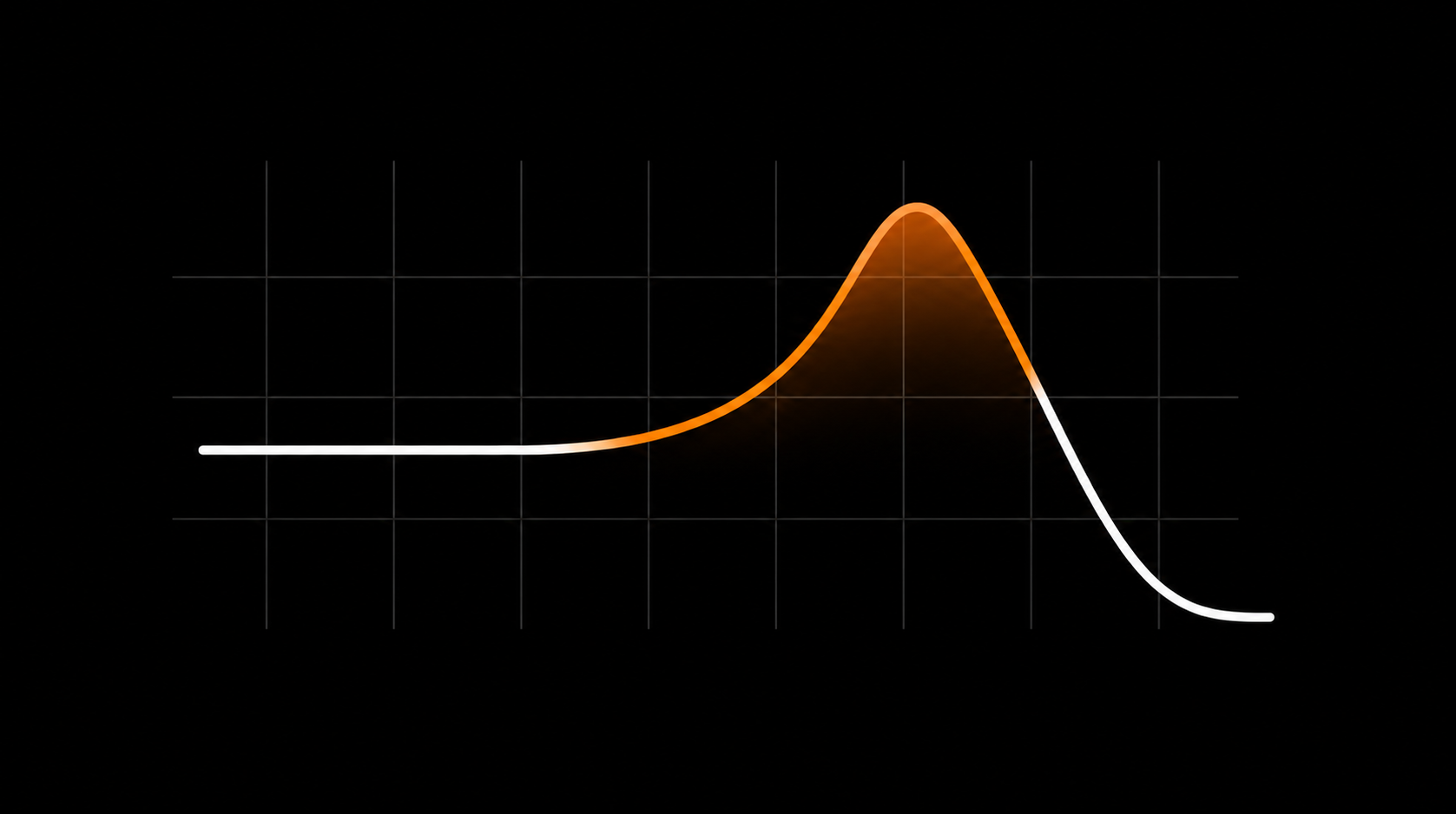
HF Boost at 10 kHz with HF Atten rolling off at 20 kHz. The resonant boost adds presence while the independent shelf tames everything above it. A useful top-end move.

Tube & Transformer Colour

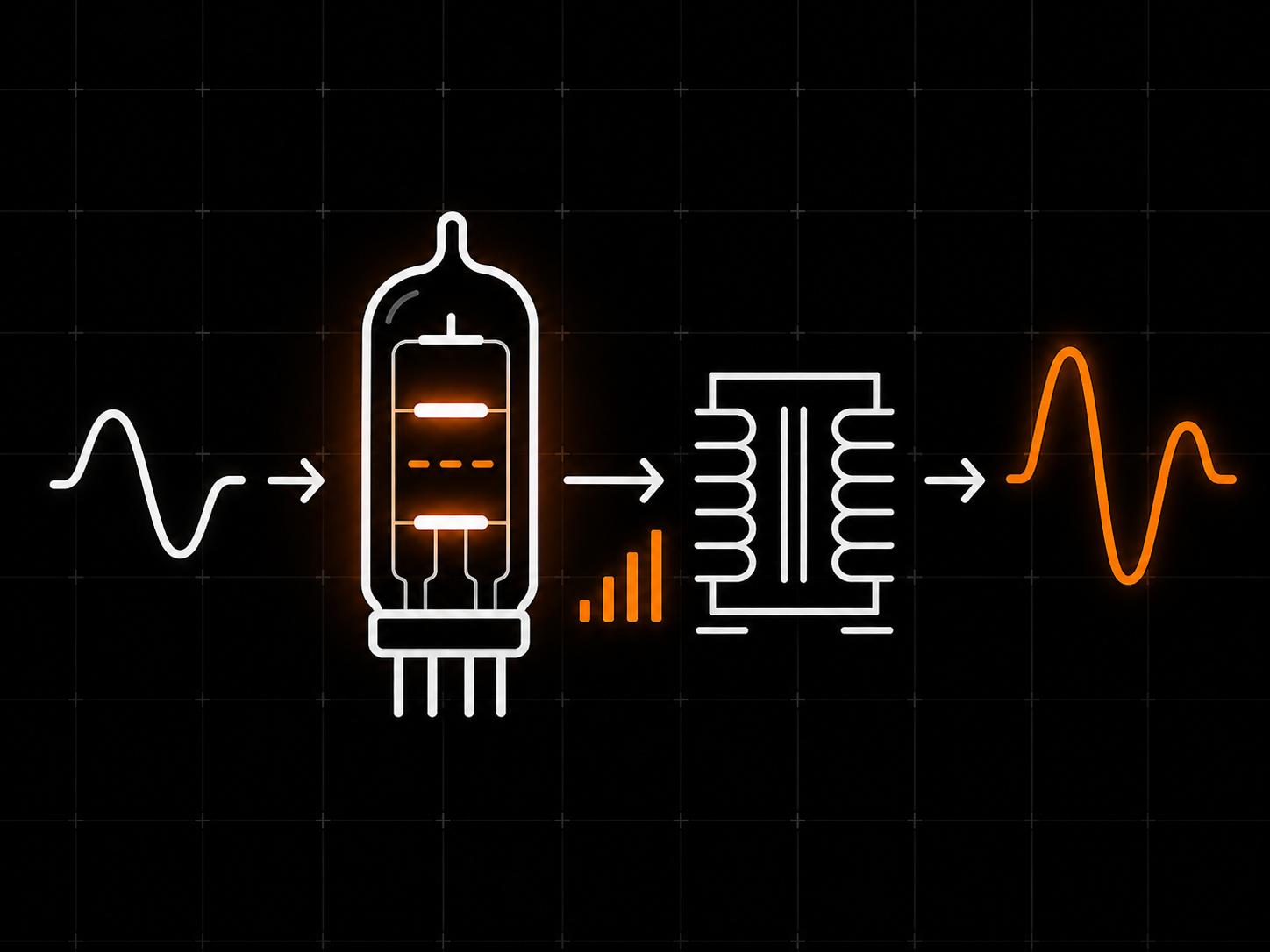
Even with all EQ controls off, the signal passes through the tube makeup stage and transformer voicing. Subtle even-order harmonics and low-end weight remain part of the signal path.

Circuit-style passive program EQ

Most EQ plugins start from a curve. TheTrick starts from a circuit-style topology. The passive network runs as a Wave Digital Filter tree, sample by sample, with resistors, capacitors, inductors, and frequency-selector switches represented in the structure. The tube makeup stage and transformer voicing are handled separately and remain in the signal path, so the colour is part of the plugin's identity.

Eight EQ controls. LF Boost and LF Atten share a four-position frequency selector (20 / 30 / 60 / 100 Hz) but drive two independent LC networks. Turn both up at the same frequency and the circuit produces a resonant peak followed by a dip: the boost-and-cut interaction that named the plugin.

The HF section has two independent networks. HF Boost is a resonant RLC peak with a 7-position frequency selector (3 – 16 kHz) and a Bandwidth control. HF Atten is a shelving cut with its own 3-position selector (5 / 10 / 20 kHz). Boost at 10 kHz while rolling off at 20 kHz for high-end lift without excessive top-end bite.

The passive WDF section is linear, while the tube stage is handled separately. Dry/wet Mix includes a latency-compensated dry path for parallel EQ colouring.

TheTrick is offline-first. No internet connection required after activation. No telemetry, no phone-home, no account dashboard. One license file, one plugin.
ControlFunction
LF Boost 0.0 – 1.0, resonant low-shelf boost · 0.3 subtle low-end body, 0.5 audible, 0.8 strong low-end lift
LF Atten 0.0 – 1.0, low-shelf cut (independent LC network) · 0.2 – 0.4 for the trick, 0.6+ obvious scoop
LF Frequency 20 / 30 / 60 / 100 Hz — shared by Boost and Atten · 60 Hz for kicks & vocals, 100 Hz for bass, 30 Hz for 808s
HF Boost 0.0 – 1.0, resonant RLC peak · 0.35 for air, 0.5 for presence, 0.7 for aggression
HF Bandwidth 0.0 (broad) – 1.0 (sharp), HF Boost Q · Keep broad for wide tonal lift, sharpen for targeted presence
HF Frequency 3 / 4 / 5 / 8 / 10 / 12 / 16 kHz — 7 positions · 3–5 kHz vocal presence, 8–10 kHz air, 12–16 kHz sparkle
HF Atten 0.0 – 1.0, independent high shelf cut · 0.15 – 0.30 removes fizz without losing air
HF Atten Frequency 5 / 10 / 20 kHz — independent of HF Boost · 20 kHz safety net, 10 kHz remove fizz, 5 kHz darkening
Output −12 to +12 dB, post-everything trim · Pull down to match bypass after boost moves
Mix 0.0 (dry) – 1.0 (wet), latency-compensated blend · 1.0 default; below 1.0 for parallel colouring
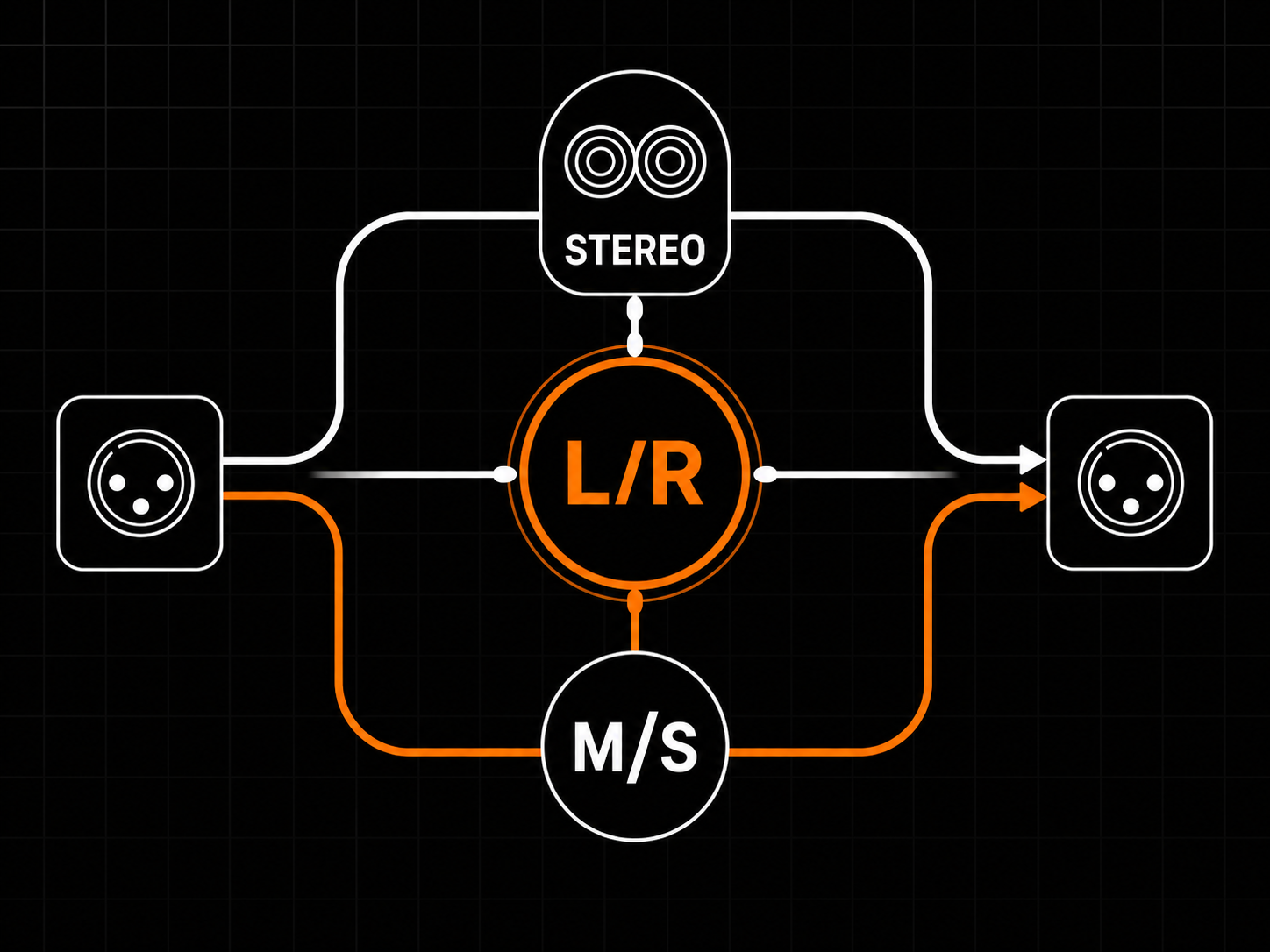
Stereo Mode Stereo / Mid-Side · Stereo default; M/S for width tricks
[ source ] → comp / deess → TheTrick → limiter → [ output ]

Program EQ on a bus or master. Dynamics before, peak-catcher after. A good starting point for most material.

[ source ] → TheTrick → opto/VCA leveler → limiter → [ output ]

A useful mastering-style chain: passive EQ first, feeding a leveler that absorbs level changes. Pre-pad Output to −3 dB before pushing LF Boost.

[ source ] → TheTrick (LF Boost + LF Atten both up at 60 Hz) → saturator → [ output ]

The namesake move. LF Boost and LF Atten both up at the same frequency. Start Output at −6 dB, bring both up from 0.3. The peak-then-dip locks in between 0.3 – 0.7 on each.

System Requirements
OSWindows 10+ 64-bit / Linux 64-bit (Ubuntu 20.04+, Fedora, etc.)
CPUAny 64-bit x86
LatencyLatency is reported to the host for plugin-delay compensation
Sample rate44.1 kHz – 192 kHz
ActivationEmail activation — No iLok, No Dongle
FormatsCLAP · VST3 · Windows / Linux
Version1.0.0
Operational FAQ
Q: What is "the trick"?

Set LF Boost and LF Atten to non-zero values at the same LF Frequency. On paper it looks like it should cancel. It doesn't — the boost and atten are wired to two separate LC networks. The result is a resonant low-end lift followed by a scoop above it. Bigger bottom, tighter low-mids. That's the trick.

All The Trick FAQs →
Cart
Cart empty
Browse Plugins